SurgeonsLab
December 18, 2023
A Comprehensive Guide to Microsurgical Skill Maintenance in the robotic era and the minimally invasive surgical world when caseloads change using SurgeonsLab simulators
SurgeonsLab
December 18, 2023
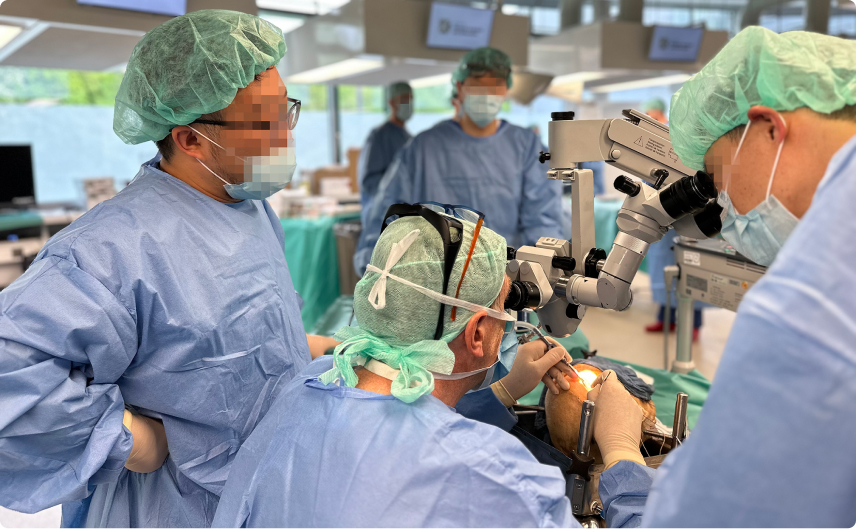
The rise of robotic technology and minimally invasive procedures has revolutionised the surgical field. These advancements have brought about an era in which precision, dexterity, and adaptability are paramount for microsurgeons. However, amidst these changes, maintaining microsurgical skills remains crucial.
The shift towards minimally invasive procedures and robotic assistance brings opportunities and challenges. While these approaches offer reduced invasiveness and quicker patient recovery times, they demand new proficiencies from surgeons. As surgical caseloads vary and the types of procedures evolve, maintaining and honing microsurgical skills becomes increasingly critical.
The ability to perform microsurgical techniques with precision requires continuous practice and refinement.
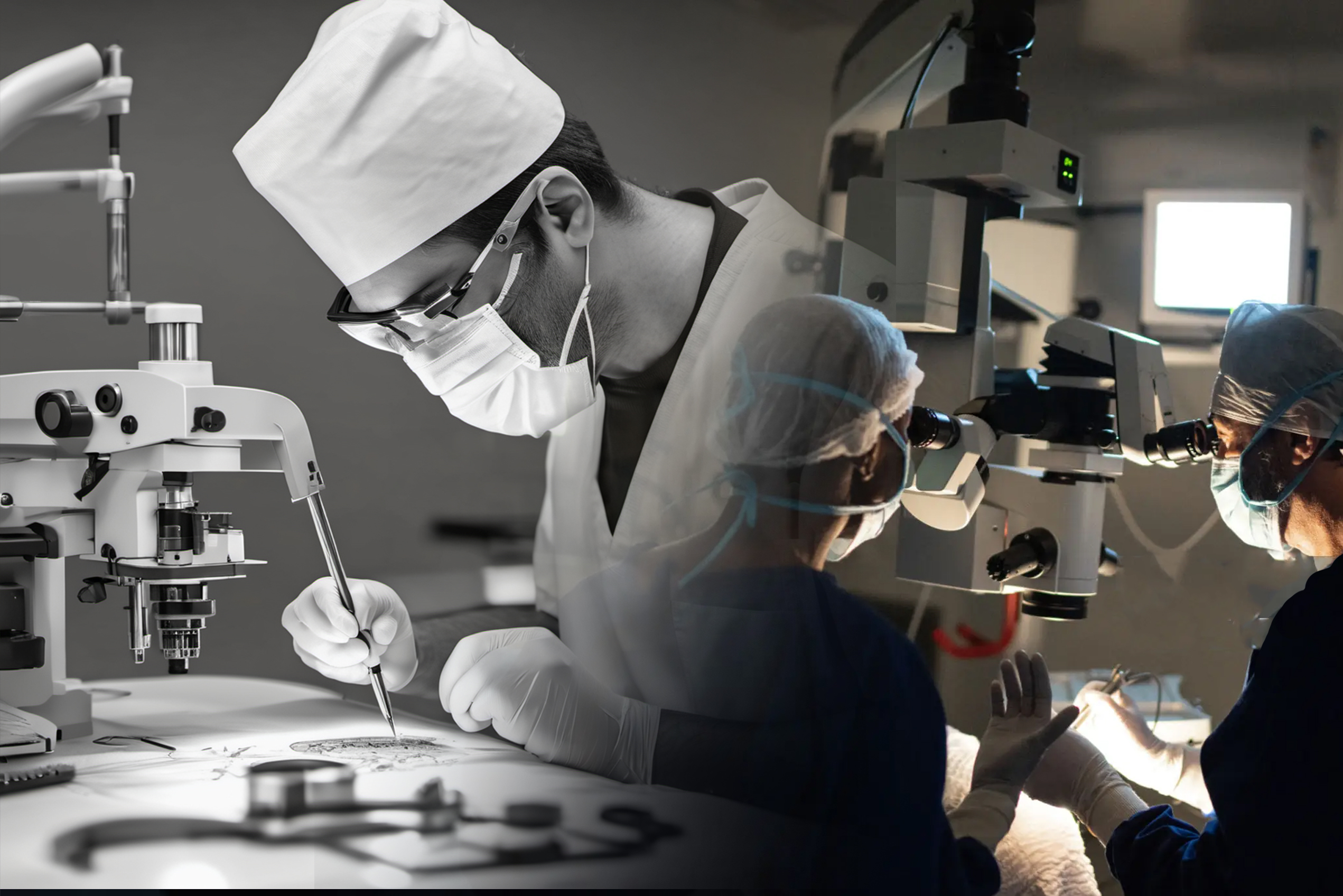
"Even as the field progresses technologically, the fundamentals of microsurgery such as hand-eye coordination, delicate manipulations, and tactile sensitivity remain foundational skills for microsurgeons"
Surgeons must adapt and continually enhance their skills to ensure optimal patient outcomes and stay at the forefront of modern surgical advancements.
Continuous competency development remains vital when navigating robotic tech or minimally invasive procedures.
Here are some key strategies to ensure surgeons maintain and obtain the necessary skills:
Embracing simulation-based learning is a cornerstone for skill maintenance. Surgeons can refine their techniques through realistic
scenarios replicated in controlled environments, optimise decision-making, and enhance their adaptability to diverse surgical
situations.
VR offers an immersive platform for surgeons to practice intricate manoeuvres and procedures. By simulating complex surgeries in a virtual space, surgeons can familiarise themselves with new tools and techniques, perfecting their skills in a risk-free setting before entering the operating room.
Continuous education and participation in workshops focused on microsurgical advancements are indispensable. These platforms provide opportunities to learn from industry experts, share experiences, and gain insights into the latest technologies and methodologies.
Collaboration with peers and mentorship from experienced surgeons facilitate skill development. Learning from others’ experiences, sharing knowledge, and receiving constructive feedback foster continuous improvement and ensure the preservation of best practices.
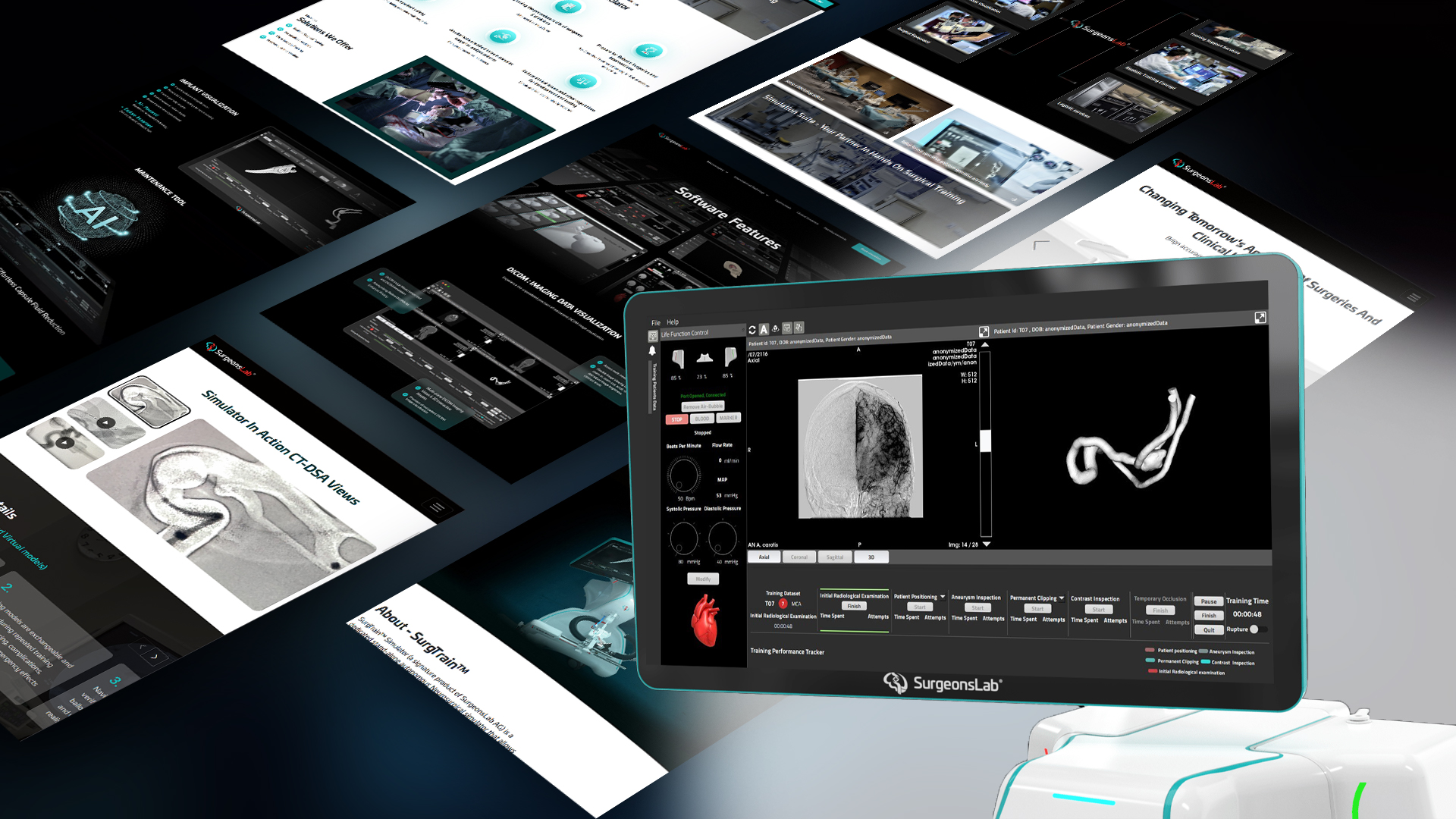
“ SurgeonsLab’s technology and simulators offer software modules and interactive web applications that enable all the essential training aspects to be included in one’s training career”
Despite their precision and life-saving potential, Microsurgical procedures come with a set of formidable challenges. Surgeons navigating the complexities of these intricate procedures encounter hurdles that demand finesse, accuracy, and adaptability.
Hand-eye Coordination: Operating within minute spaces requires impeccable hand-eye coordination. Manoeuvring delicate instruments while peering through magnified scopes demands exceptional synchronisation between hand movements and visual perception.
Precision in Confined Spaces: Microsurgery often involves operating within confined spaces where the slightest deviation can have significant repercussions. Performing intricate tasks like suturing blood vessels or nerves, and removing a fraction of unhealthy/healthy tissue under high magnification tests a surgeon's ability to maintain accuracy within these restricted areas.
Dexterity and Fine Motor Skills: Executing procedures that involve manipulating minute structures demands exceptional dexterity and finely honed motor skills. Ensuring controlled movements at a micro-level is pivotal in achieving successful outcomes.
Surgeons face many challenges during procedures, ranging from the complexities of human anatomy to the intricacies of surgical precision. SurgeonsLab's innovative solutions have been specifically crafted to overcome these common issues encountered in the operating room, revolutionising surgical practices.
The intricacies of human anatomy pose significant challenges during surgeries. Existing simulators often struggle to replicate the complexities of the human body accurately.
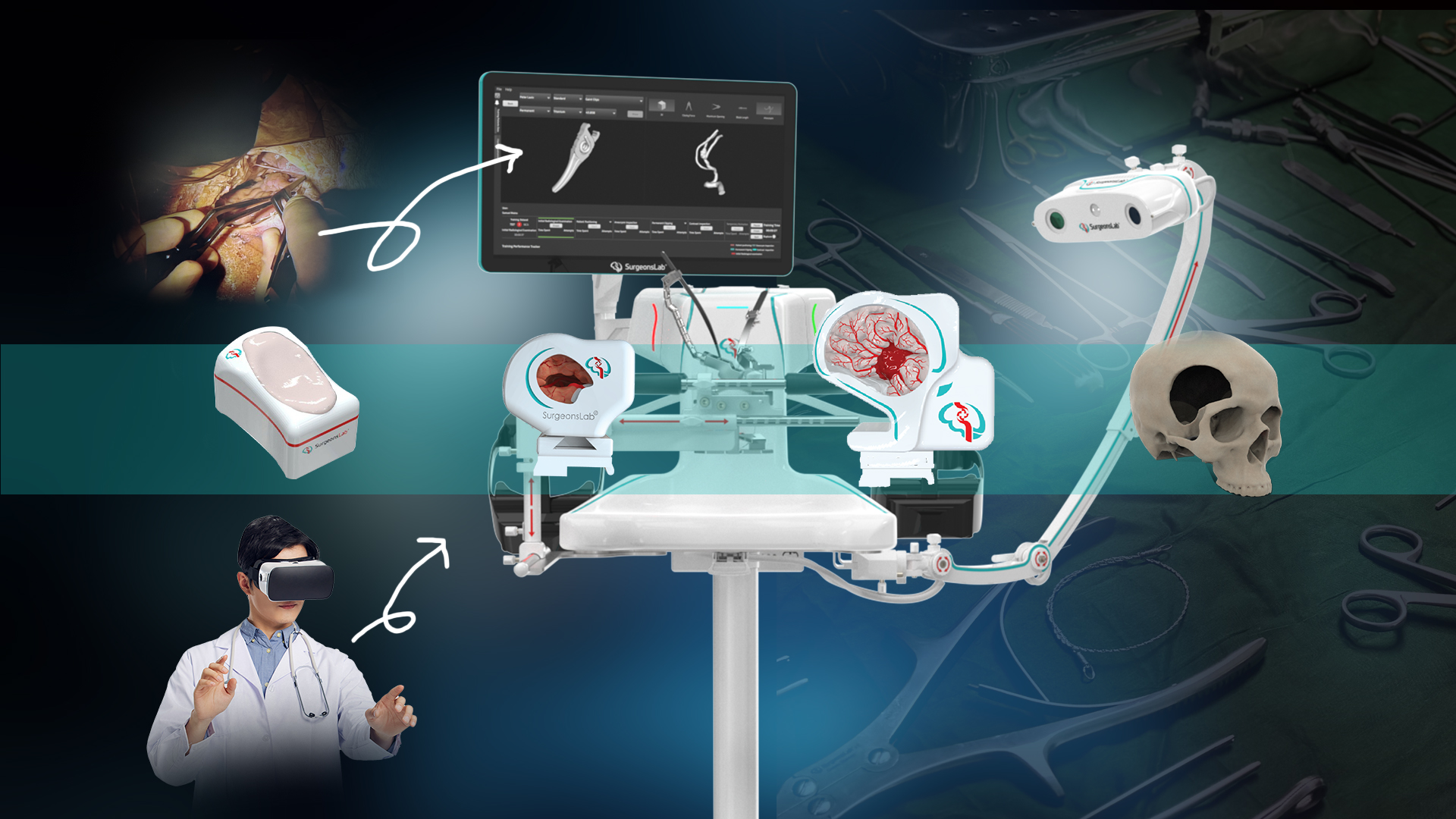
“SurgeonsLab's SurgTrain, however, stands out by providing a remarkably realistic simulation environment. Its advanced head models, featuring a comprehensive array of anatomical elements such as the skull, brain, intracranial vessels, pathology, and surgical tools, offer unparalleled detail and accuracy”
By mimicking pulsatile cardiac mechanisms and simulating pressure and flow rates within pathological sites, SurgTrain offers a dynamic training experience that prepares surgeons for real-time anatomical variations.
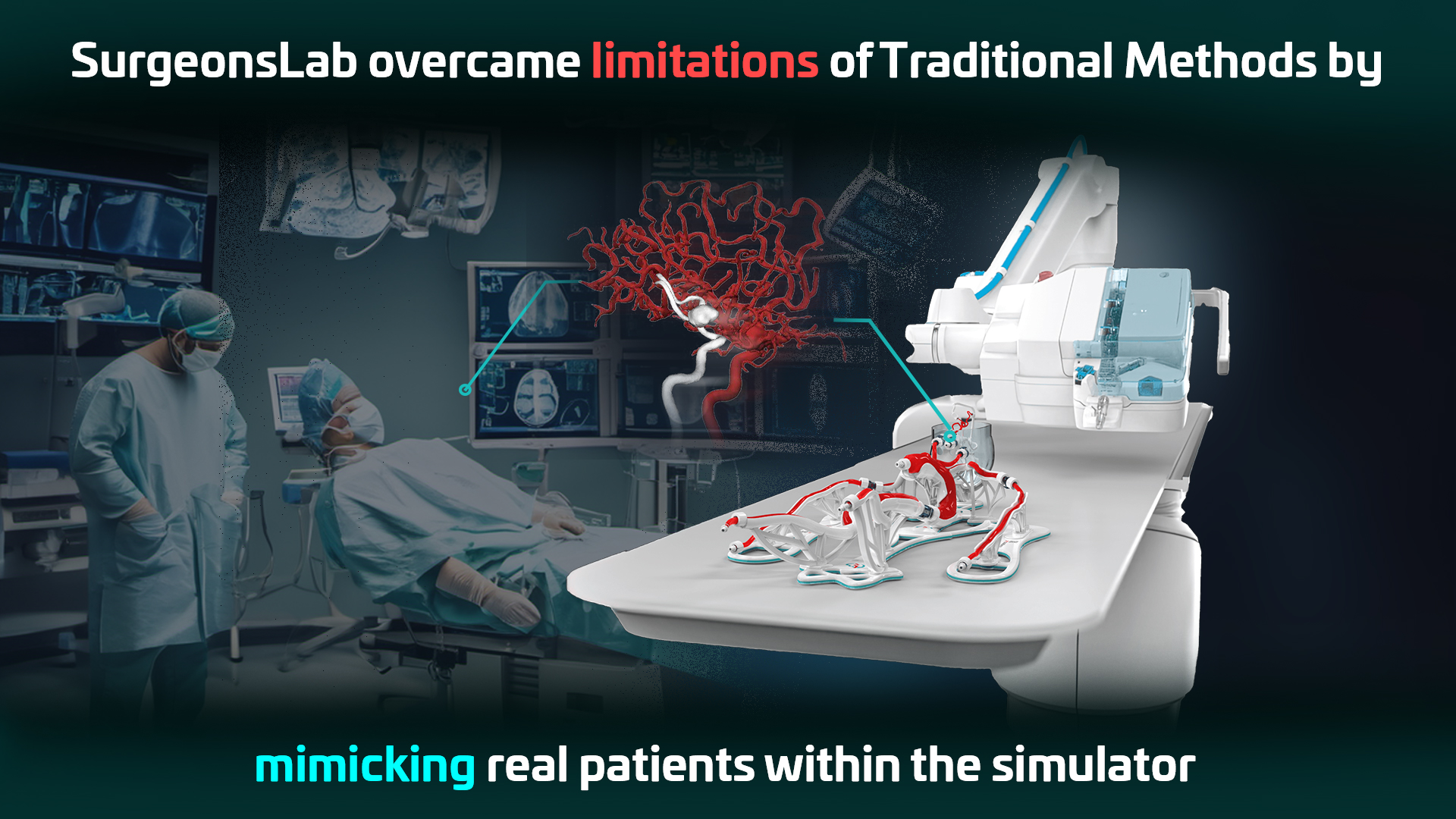
“Traditional simulation tools have limitations in replicating real-life surgical scenarios accurately. SurgTrainTM eliminates these shortcomings by mimicking real patients within the simulator”
SurgeonsLab all-inclusive platform ensures that trainees can access everything necessary for complex surgeries, enhancing their preparedness and skill development.
Existing simulation models often lack diversity and patient specificity, leading to a gap in understanding various demographic groups and medical conditions prevalent among different populations.
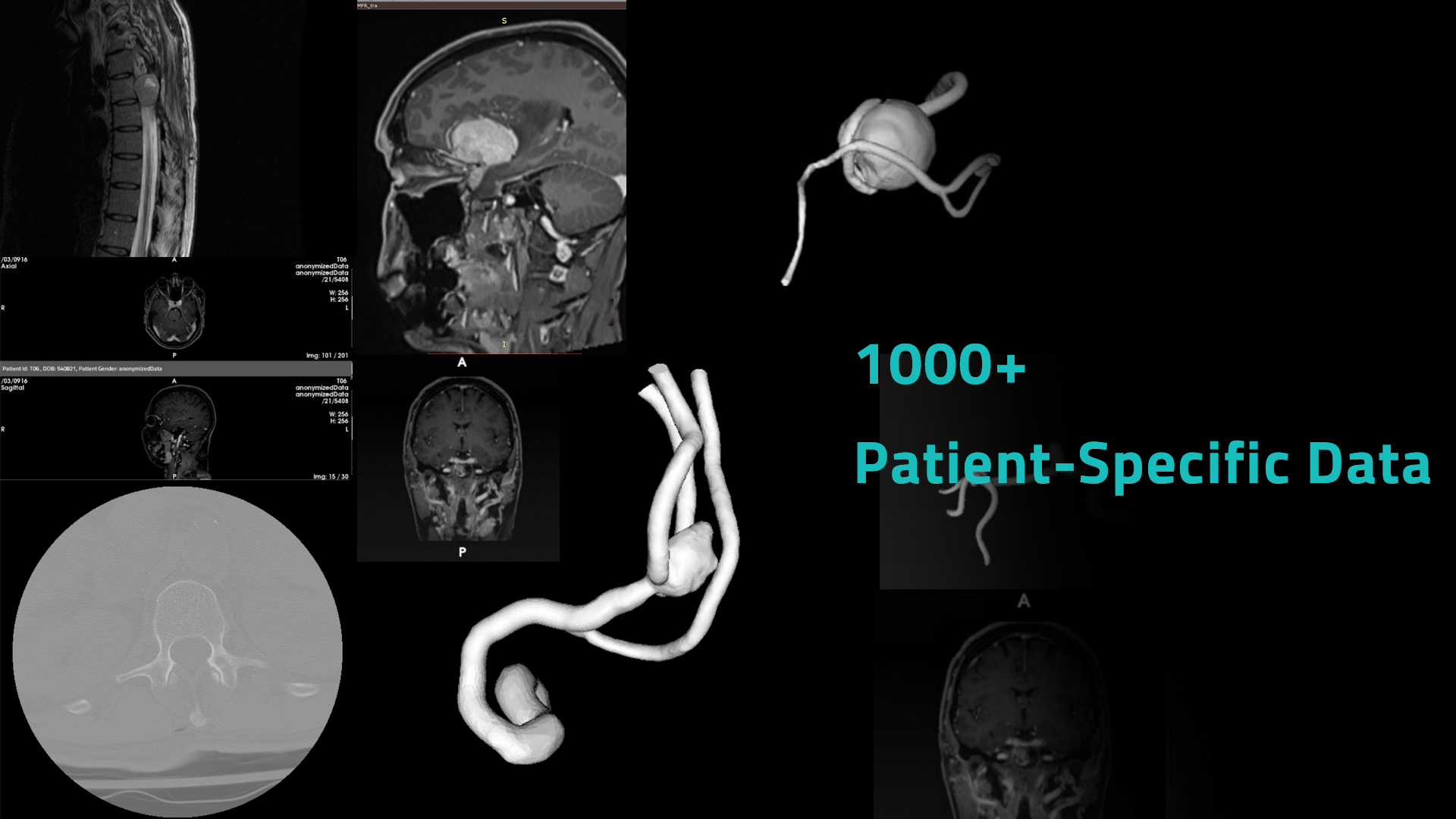
“SurgTrain boasts over 1000 patient-specific cases, offering a wide range of scenarios across multiple specialization domains.”
These cases are structured as progressive courses, challenging users based on one’s proficiency levels. This diversity prepares surgeons to address a multitude of cases they may encounter in their practice, enhancing their adaptability and expertise.
Surgeons often grapple with preoperative planning, struggling to visualize patient anatomy and anticipate potential complications accurately.
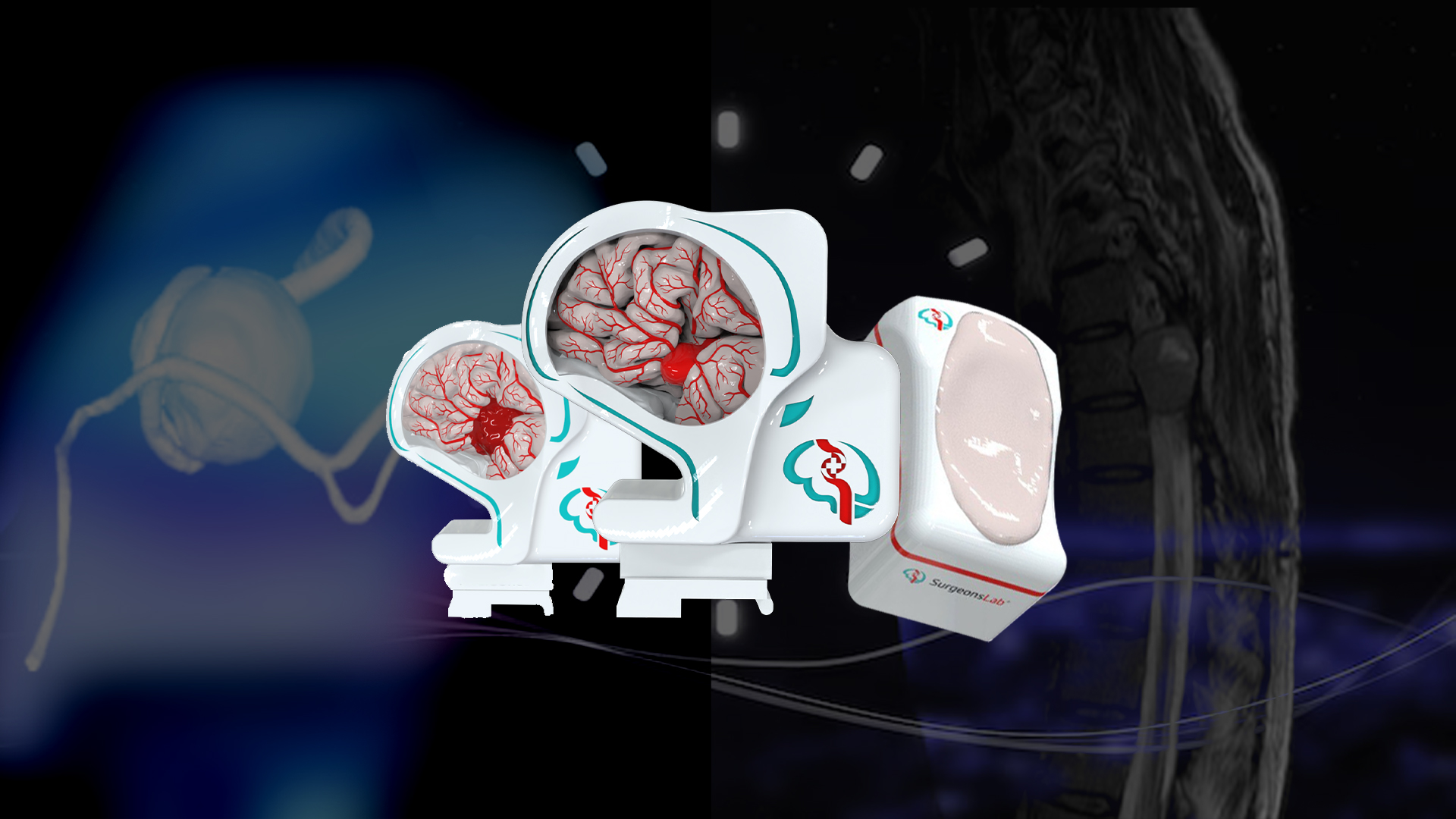
“SurgTrain's groundbreaking approach allows for the development of patient-specific head and neck models in a short timeframe.”
Surgeons can perform mock surgeries on these models, gaining critical insights and reducing risks associated with the actual operation. This innovative preoperative planning capability significantly enhances surgical preparedness and patient outcomes.

Prof. Dr Andreas Raabe, Chief of Bern University Hospital, Switzerland, a leading Neurosurgeon, found SurgeonsLab’s simulator an outstanding tool for residents and Neurosurgeons to improve.
Prof. Krish Shridhar commends SurgeonsLab's simulators for mentoring junior colleagues and using these simulators more extensively in training workshops.
Dr. Shyam Duvurru, a senior neurosurgery consultant at Apollo Hospital Madurai, India, successfully navigated a complex patient case during hands-on training with SurgeonLab’s simulator. He is considering using the simulator for all complex cases and further training at Apollo Hospital, India.