Endovascular treatments have revolutionized modern medicine, providing effective solutions for complex vascular issues. They use small incisions and advanced endovascular devices to directly tackle blood vessel problems, resulting in rapid recoveries and significantly fewer complications.
The endovascular treatment devices market reached $4.19 billion in 2024 and is projected to soar to $7.75 billion by 2031 — growth driven by the widespread adoption of life-saving procedures across healthcare systems worldwide. At SurgeonsLab, we understand that proper training is essential to keep pace with that growth. Our simulation platforms empower medical professionals to master these techniques through realistic, repeatable training scenarios.
Understanding Endovascular Treatments
Endovascular treatments provide a direct, minimally invasive solution. They use catheter-based techniques to access affected vessels, eliminating the need for traditional open surgery. These procedures require physicians to possess expertise in both surgery and radiology.
- Rapid patient recovery following the procedure
- Minimal postoperative pain in the majority of cases
- No visible postoperative scarring
- Ability to perform procedures on patients who cannot undergo general anaesthesia
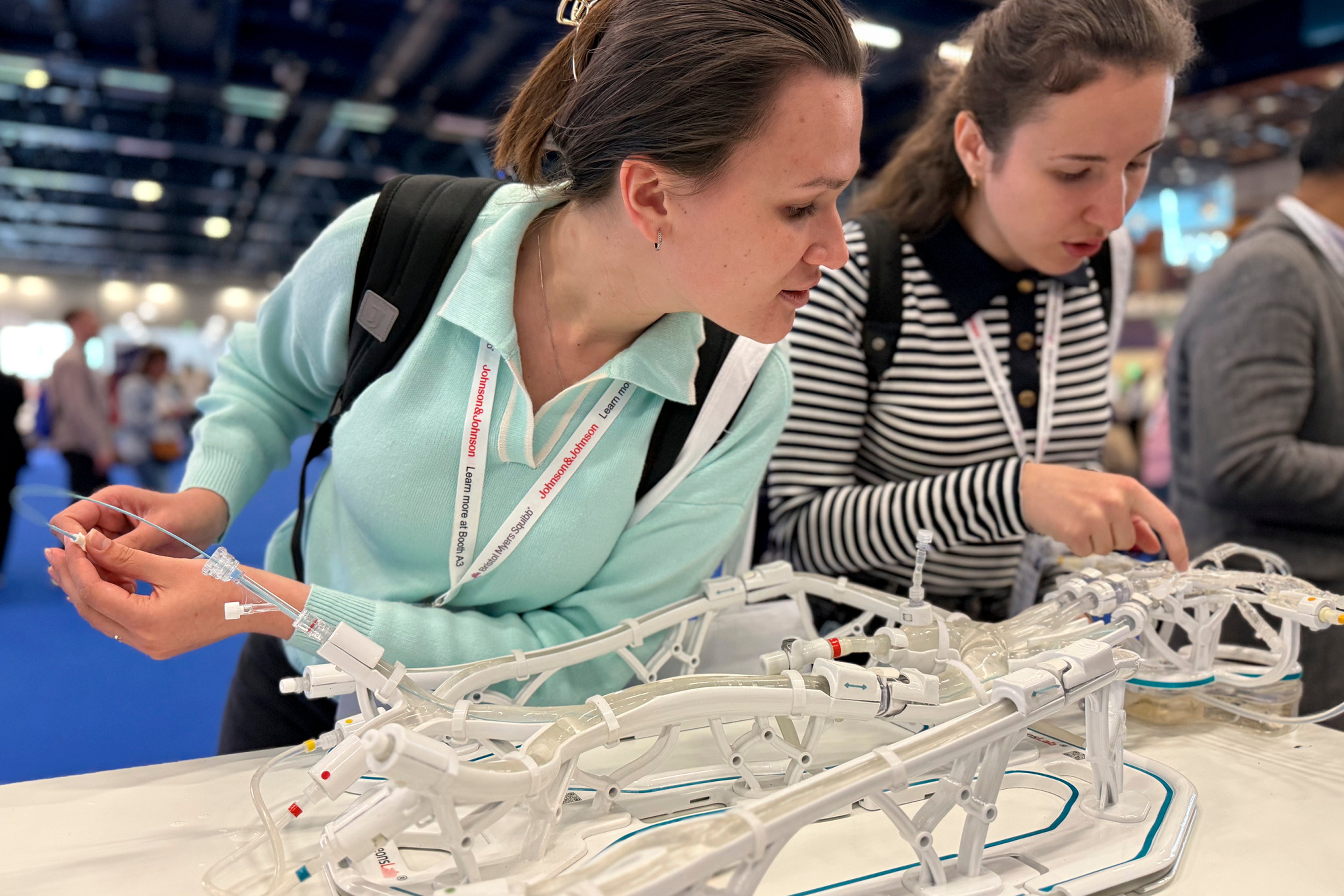
Figure 1. SurgeonsLab endovascular training flow models configured for catheter-based procedure practice.
Most Common Endovascular Procedures
Angioplasty and Stenting
Angioplasty with stenting is an endovascular procedure that successfully restores blood flow. A balloon catheter is placed into the narrowed artery and inflated, after which a stent is positioned to keep the artery open. This procedure is commonly used for coronary artery disease, peripheral artery disease (PAD), and carotid artery stenosis.
Angioplasty procedures boast a success rate of 85–95%. The global endovascular devices market for peripheral artery disease reached $4.78 billion in 2024.

Figure 2. Atherectomy and angioplasty training model for coronary and peripheral artery disease procedures.
Endovascular Aneurysm Repair (EVAR)
EVAR is a groundbreaking treatment that reinforces fragile blood vessel walls from the inside out. A stent graft is placed to reroute blood flow and reduce the risk of rupture, making it the superior choice over open surgical repair — particularly for patients diagnosed with abdominal aortic aneurysms (AAA).
Market Data
- Market size: $3.33 billion in 2024
- Projected: $4.77 billion by 2032
- Growth rate: 4.6% CAGR (2025–2032)
Clinical Performance
- Technical success rate: 94–99%
- Minimized procedural risk vs. open repair
- Preferred for high-risk surgical patients

Figure 3. Endovascular aneurysm repair training model for aortic stent graft deployment practice.
Thrombectomy
Thrombectomy removes blood clots from arteries or veins using specialized devices, effectively treating acute ischemic stroke and pulmonary embolism. Next-generation stent retrievers and imaging guidance technologies have made the procedure safer and more effective.
Market Data
- Current market: $1.58 billion in 2024
- Projected: $2.1 billion by 2028
- Growth rate: 7.4% CAGR
Clinical Performance
- Success rate: 75–85% across procedure types
- Leading treatment for acute ischemic stroke
- Advancing rapidly with AI-guided imaging

Figure 4. Thrombectomy training model for acute ischemic stroke and pulmonary embolism procedure practice.
Embolization
Embolization directly obstructs blood flow to specific vessels using coils or other materials, effectively treating bleeding disorders, aneurysms, arteriovenous malformations (AVMs), and certain types of cancer. The embolization devices market is projected to reach $5.89 billion by 2031, with a CAGR of 9.9%, and procedures boast a success rate of 90–100%.
Catheter-Directed Thrombolysis (CDT)
CDT directly dissolves blood clots by delivering medication to the exact site of the clot. It excels at tackling acute deep vein thrombosis (DVT) and pulmonary embolism, and offers several advantages over systemic therapy.
- Lower medication doses compared to systemic therapy
- Reduced systemic bleeding risk
- Success rates ranging from 73–90%
- Faster clot dissolution than oral blood thinners alone
Neuroendovascular Procedures
Neuroendovascular coiling is the leading treatment for cerebral aneurysms. Metal coils are placed into an aneurysm to help prevent rupture. The neuroendovascular coil market is expected to grow at a CAGR of 6.5% through 2030, and unruptured intracranial aneurysms affect approximately 3% of the general population. Both the American Heart Association and the American Stroke Association back neuroendovascular coiling as the preferred treatment for most intracranial aneurysms.
Market Growth and Statistics
The endovascular intervention procedures market has demonstrated consistent growth across all major treatment categories.
| Treatment Category | 2024 Market Size | Projected Growth |
|---|---|---|
| Peripheral Endovascular Devices | $4.78 billion | 5.3% CAGR |
| Endovascular Treatment Devices | $4.19 billion | 9.2% CAGR |
| EVAR Devices | $3.33 billion | 4.6% CAGR |
| Embolization Devices | $3.07 billion | 9.9% CAGR |
| Thrombectomy Devices | $1.58 billion | 7.4% CAGR |
This growth is driven by rising incidence of cardiovascular diseases, an aging global population, surging demand for minimally invasive procedures, and rapid advances in device design and material technology.
Training and Simulation
Mastering these intricate procedures demands realistic, repeatable training. At SurgeonsLab, our simulation platforms offer realistic training environments for endovascular intervention procedures, enabling physicians to practice catheter navigation techniques, device deployment procedures, complication management scenarios, and pre-operative planning strategies.
Endovascular procedures require precise skills and disciplined decision-making. Our simulation technology seamlessly links theory to practice — and because the models are reusable, institutions can run more sessions without the cost penalty of disposable alternatives.
"Endovascular procedures require precise skills and decision-making. Simulation technology seamlessly links theory to practice."
Future Trends and Innovations
The field of endovascular treatments continues to evolve rapidly. Recent innovations include the integration of AI for procedure planning, use of digital twin technology for predictive modeling, adoption of next-generation materials to enhance biocompatibility, and development of hybrid operating suites that combine surgical and endovascular capabilities. Flow diverter devices are also proving effective for complex aneurysms, achieving 90% occlusion rates.
Train for the Procedures That Matter
SurgeonsLab simulation platforms cover the full spectrum of endovascular procedures from angioplasty to neurovascular embolization. Request a hands-on demonstration for your team.
Request a demonstration Contact SurgeonsLabFrequently Asked Questions
What is the success rate of endovascular treatments?
EVAR procedures boast a technical success rate of 94–99%, while angioplasty achieves 85–95%. Overall, success rates vary between 75% and 99% depending on the procedure and patient population.
How long is the recovery after endovascular procedures?
Patients can typically return to normal activities within days to weeks, compared to months for open surgery.
Are endovascular treatments covered by insurance?
Most endovascular procedures are covered when medically necessary. Coverage specifics vary by provider and procedure.
What conditions can be treated with endovascular methods?
Endovascular techniques address aneurysms, peripheral artery disease, deep vein thrombosis, arteriovenous malformations, and other conditions that directly affect blood flow.
How do endovascular treatments compare to open surgery?
Endovascular procedures offer smaller incisions, shorter hospital stays, and faster recovery times compared to conventional open surgical repair.