Why Is MMA Embolization Important In Interventional Radiology?
Understand the benefits of MMA embolization in treating chronic subdural hematomas. Learn how this innovative procedure enhances patient outcomes. Read more!
Understand the benefits of MMA embolization in treating chronic subdural hematomas. Learn how this innovative procedure enhances patient outcomes. Read more!
In treating chronic subdural hematomas (cSDH), many doctors use a traditional surgical approach.
We are seeing a big change. Middle meningeal artery (MMA) embolization is becoming a top choice.
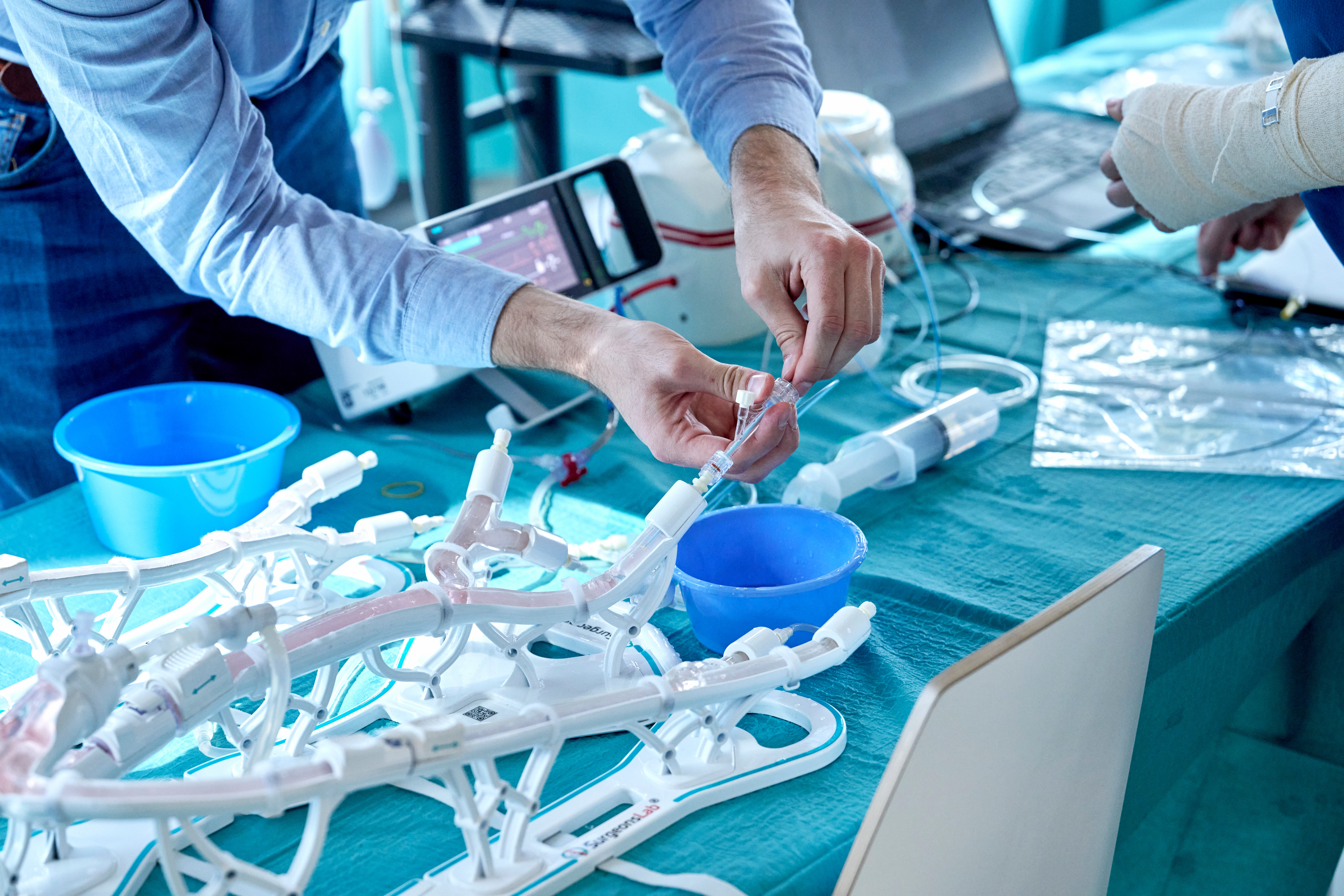
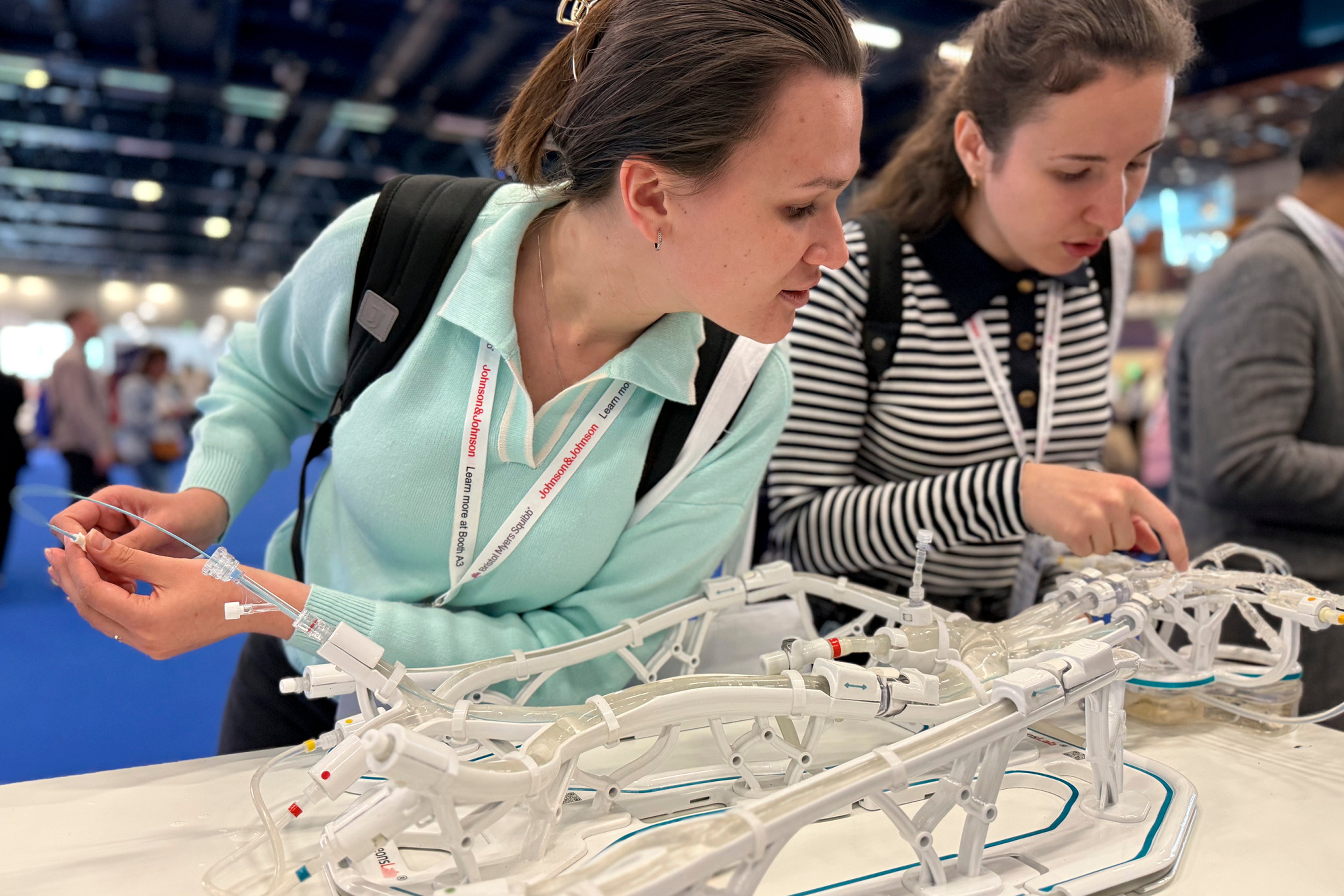
At SurgeonsLab, we help medical professionals stay ahead. We provide advanced surgical training
and insights into the latest breakthroughs in interventional radiology.
The conventional approach has a 10-20% chance of recurrence. This puts patients at risk for
complications and leads to more hospital visits. MMA embolization is an Interventional procedure
that significantly alters this scenario. This minimally invasive technique is changing how we
treat a common neurosurgical condition. Recognizing its importance is key to today’s medical
practice.
What is MMA embolization , and why is it important for
interventional radiologists and medical professionals? Let’s explore.
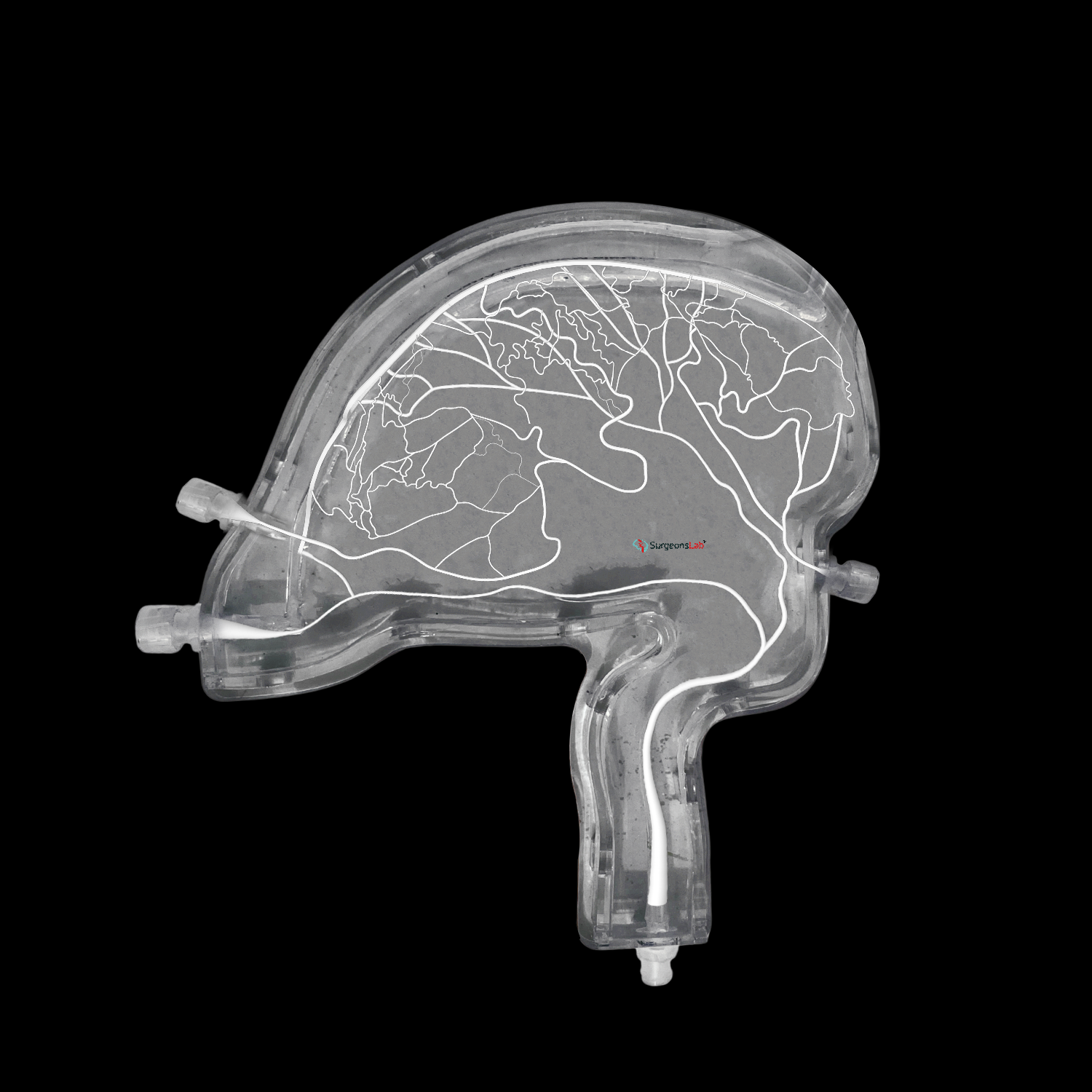
MMA embolization is a minimally invasive procedure. It uses images to target the middle meningeal
artery. This artery supplies blood to the membrane around chronic subdural hematomas.
Interventional radiologists can stop the inflammatory process causing hematoma growth. They do
this by placing embolic agents, like small particles or liquid materials, into the branches of
the MMA.
Consider this: chronic subdural hematomas are not merely static blood collections. They are
dynamic structures with their own blood supply. The middle meningeal artery feeds the dural
membrane around the hematoma. This area contains abnormal, fragile blood vessels that can easily
rupture. These ruptures cause bleeding, which makes the hematoma larger. This can lead to more
recurrences and complications for the patient.
By embolizing the MMA, we eliminate the fuel feeding this pathological process. The procedure
typically involves:
The entire procedure usually takes 30-60 minutes, and patients can often go home the same day or after an overnight observation.
MMA embolization is more than a new procedure. It represents a major shift in how we treat a condition.
The data present a compelling narrative. Chronic subdural hematomas occur annually in 1.7 to 20.6
per 100,000 people. The elderly are most affected. cSDH is set to become the most common cranial
neurosurgical condition, surpassing brain tumors by 2030. This rise comes mainly from our aging
population. Also, more people are using antiplatelet and anticoagulant medications.
For elderly patients, usually those 70 and older, the incidence can hit 100 per 100,000. This
shows that cSDH is a big public health concern. The financial impact is significant. Median
hospitalization costs for surgical patients are over $35,000. Projections indicate that direct
healthcare costs could reach $2 billion annually by 2030 in the United States alone.
Conventional burr-hole drainage remains the standard method, but results raise concerns.
Post-operative recurrence rates range from 10-20%, with some studies indicating rates as high as
30%. About 20-30% of patients face serious disability or death after an interventional
procedure. This shows the tough challenges for this vulnerable group.
The surgical approach requires careful patient risk assessment and medication management.
Patients taking anticoagulants or antiplatelet agents are at a higher risk for complications.
For many elderly patients with multiple health issues, traditional interventional procedures
might not be an option.
MMA embolization is fundamentally changing clinical practice. Recent meta-analyses show it cuts
recurrence rates to 5%. That's a 75% drop compared to the traditional method. When used
alongside surgical drainage, the benefits become even more pronounced.
In a randomized trial with 35 symptomatic cSDH patients, those who got MMA embolization showed:
These are not just small changes; they show important differences. These differences lead to better patient outcomes and reduce the healthcare burden.
.png)
To see why MMA embolization works, you need to understand the pathophysiology of chronic subdural hematomas. Here’s a simplified explanation of the science:
Chronic subdural hematomas arise from a complex interaction between trauma and inflammation. An
initial head injury leads to bleeding in the subdural space. This blood doesn’t get absorbed.
Instead, it triggers an inflammatory response that activates the dural border cells.
Activated cells release inflammatory mediators. These substances promote abnormal angiogenesis,
which is the formation of new blood vessels, and neovascularization. These new vessels are weak.
They have poor wall strength and can easily break. Each rupture introduces fresh blood to the
hematoma, contributing to its continued growth.
The MMA is the main supplier for this neovascularization. It supports the granulation tissue and
the thin membrane around the hematoma. Blocking MMA flow can disrupt inflammation, cut off
fragile neo-vessels, and help heal hematomas.
Real-time angiographic findings during MMA embolization provide fascinating insights. Interventional radiologists observe:
At the 60-day follow-up, imaging shows a median hematoma diameter reduction of 40-50%. Also, 70-80% of patients have more than a 50% decrease in hematoma volume. In contrast, traditional methods often result in residual hematomas.
| Factor | Traditional Interventional Procedure | MMA Embolization | MMA + Interventional Procedures Combined |
|---|---|---|---|
| Recurrence Rate | 10–20% | 5% | 4–6% |
| Procedural Time | 30–60 min | 30–60 min | Staged procedures |
| Hospital Stay | 2–5 days | Same-day discharge possible | 2–3 days |
| Anesthesia | General anesthesia | Local anesthesia (often) | General required |
| Recovery Period | 1–2 weeks | 2–3 days | 1–2 weeks |
| Contraindications | Multiple (age, comorbidities) | Minimal (requires catheter access) | Age/comorbidities less limiting |
| Repeat Interventional Procedure Risk | Higher with recurrence | Significantly reduced | Lowest |
| Cost Efficiency | Higher total (including retreatment) | Lower due to reduced recurrence | Moderate |
| Patient Satisfaction | Variable (anxiety) | High (minimally invasive) | High when combined |
The key advantage is the 50% relative reduction in recurrence risk when compared to traditional methods. For high-risk patients, such as those on anticoagulation therapy, older adults, or those with other health issues, this can lead to significant and life-altering outcomes.
MMA embolization is a less invasive option. It uses percutaneous arterial access, so it doesn't need open cranial access. This method skips cranial cuts, usually doesn’t need general anesthesia, and reduces brain tissue damage. Patients value the reduced morbidity associated with this approach.
MMA embolization is particularly beneficial for patients considered "too high-risk". This includes older patients on blood thinners, those with serious health issues, and people with bleeding disorders. All of them can be good candidates for effective intervention.
MMA embolization helps patients with recurrent chronic subdural hematoma (cSDH). Research shows an 87% success in reducing hematoma volume in these tough cases. In contrast, repeat interventional procedures have only a 73% success rate.
The data on functional scores show only small differences in some trials. However, the clinical evidence is important. Patients who have embolization need fewer follow-up procedures. They face fewer complications and enjoy a better quality of life because they have fewer repeat hospital stays.
MMA embolization works as:
This flexibility lets interventional radiologists and neurosurgeons tailor treatment to each patient's unique needs.
The selection of embolic agents plays a crucial role in the success of procedures. At SurgeonsLab , we focus on deeply understanding these materials in our training. They are key to interventional radiology practice.
Recent multicenter studies show that using n-BCA with the D5W push technique leads to high success rates in embolization. Complications occur in just 2.2%. This makes the approach more popular.
One of MMA embolization's strongest advantages is its reassuring safety profile. Across multiple meta-analyses examining over 1,500 procedures:
This Interventional procedure is much safer. Surgical options often lead to higher rates of infection, seizures, and intracranial issues.
The global interventional radiology market is growing fast. It's expected to jump from $28.5 billion in 2024 to $46.38 billion by 2034. This shows a CAGR of 4.99%. This growth shows how more people recognize the clinical benefits and cost-effectiveness of interventional radiology. MMA embolization is a key example of this trend.
Recent large randomized controlled trials have changed how we view the effectiveness of MMA embolization.
The results showed a clear drop in recurrence for high-risk surgical patients. This highlights how MMA embolization helps prevent post-operative complications.
This important trial showed clear evidence for the benefits of adjunctive embolization. It led to fewer re-interventions and better clinical outcomes.
Evidence shows that MMA embolization works well for different patients and techniques.
This trial showed a lower recurrence rate of 14.8% versus 21%. It highlighted the importance of
choosing the right embolic material. It suggests that liquid agents may be more effective than
particle approaches in specific populations.
The results from these trials have greatly impacted clinical practice. Now, interventional
radiologists often use MMA embolization as a main treatment or a standard add-on procedure.
MMA embolization is a big step forward for treating chronic subdural hematomas. It offers
interventional radiologists and doctors a minimally invasive choice. This method often works
better than traditional interventional procedures in several ways. MMA embolization is
transformative. It offers a 75% drop in recurrence rates. Its safety profiles match or even
exceed surgical options. Plus, it effectively treats high-risk patients who were once deemed
untreatable.
The evidence is clear: this procedure is no longer experimental. It’s a proven, evidence-based
method that should be part of regular clinical practice.
For medical professionals in interventional radiology, understanding MMA embolization is key.
This includes its mechanisms, applications, and outcomes. SurgeonsLab is focused on providing thorough training and
insights. We aim to empower future surgical professionals with the skills and knowledge they
need. This will help them deliver excellent patient care in an ever-changing field.
The question isn't if MMA embolization will become standard practice, but when. Are you ready to
lead this change?
MMA embolization doesn’t dissolve hematomas right away. But it effectively stops their growth. Most patients see a 40-70% reduction in volume within 60 to 180 days, with 96.8% achieving complete or near-complete resolution. The process relies on gradual resorption rather than immediate elimination. This procedure functions by cutting off the blood supply that nourishes the membranes of the hematoma.
Absolutely! Patients on anticoagulants are excellent candidates! MMA embolization is often bette. Coordinate with your anticoagulation management. In many cases, therapy can continue without reversal. This truly transforms care for this vulnerable group.
MMA embolization effectively targets bad blood vessel growth. Medications like statins and tranexamic acid provide extra benefits. Many centers now use a combined approach. They utilize embolization with pharmacological support for better results. Current evidence shows that these combined strategies work better than monotherapy.
Most patients recover quite quickly. Pain management usually involves acetaminophen or NSAIDs. Patients can generally resume light activities within 48 hours and return to normal function in 1-2 weeks. This is much quicker than surgical recovery. That usually takes 2-4 weeks for full function to return.
Certainly, this practice is becoming more common. Many neurosurgeons now send post-op patients at high risk for recurrence for extra embolization. This combined approach has the lowest recurrence rates, ranging from 4% to 6%. It's the best option among all current treatment strategies.


Subscribe to our newsletter and be the first to access exclusive content and expert insights.