It started with a visit to Bern, Switzerland
In January 2026, a neurosurgery team from Children's Cancer Hospital Egypt 57357 visited SurgeonsLab in Bern, Switzerland, with a clear goal. They did not want equipment for a single workshop. They wanted a simulation center in Cairo, Egypt, where physicians could train all year, open to colleagues from other hospitals in Egypt and across the region.
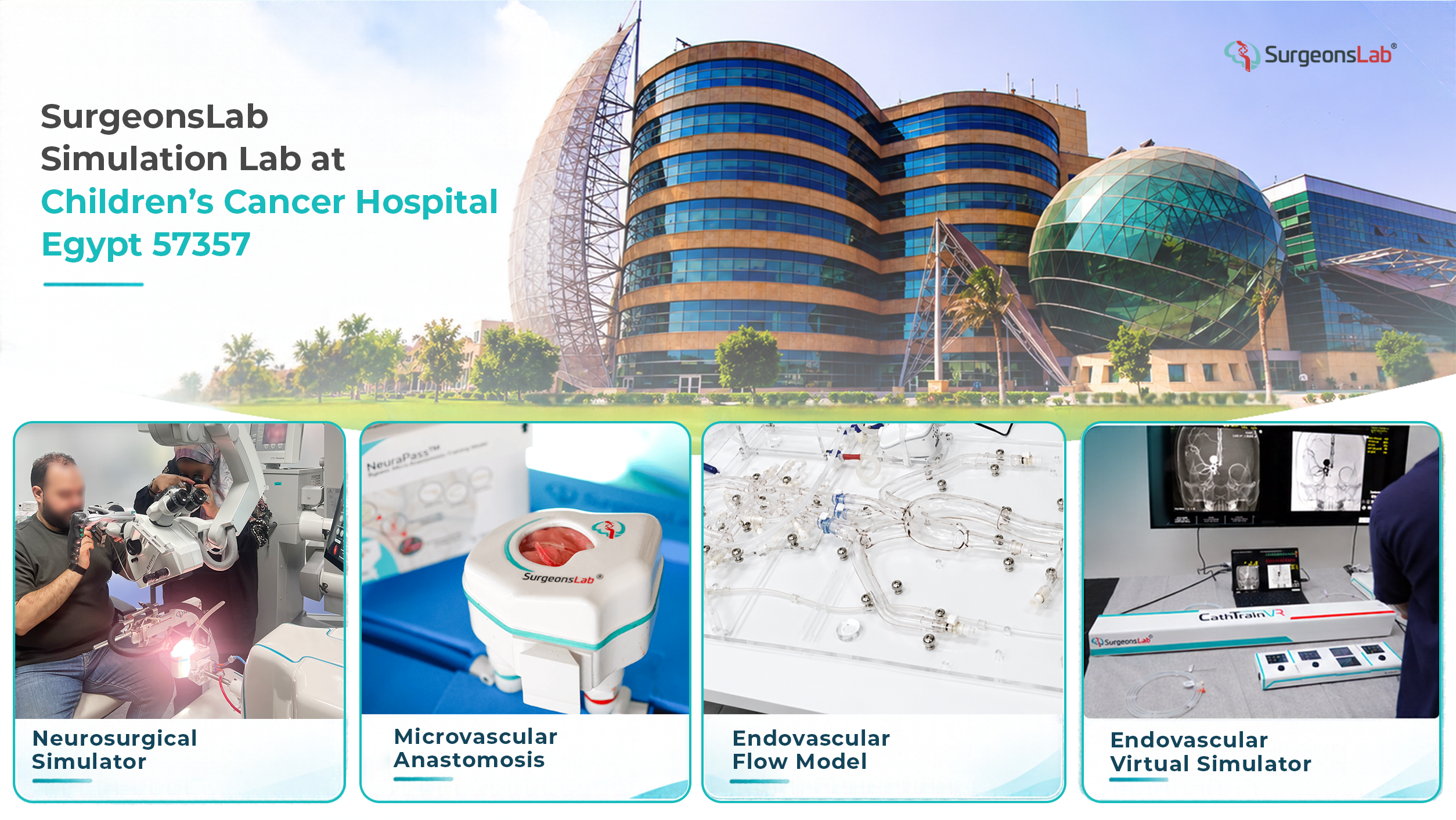
Figure 1. The SurgeonsLab simulation lab at Children's Cancer Hospital Egypt 57357, Cairo.
They also had a deadline. An international pediatric neurosurgery program ISPN was coming to Cairo in October 2026, and they wanted the lab ready for it.
Eight months after that first conversation, the lab was installed in Cairo. The hospital's faculty were practicing aneurysm clipping under the microscope, working through tumor and microvascular models, and navigating microcatheters and deploying coils on physical flow models and in virtual reality.
This is the story of how a Swiss team and an Egyptian hospital, nearly 3,000 km (1,860 mi) apart, built one lab together, and what we learned that may help any center planning a lab of its own, wherever it is in the world.
The timeline at a glance
It took eight months from first conversation to hands-on training, and shipping and customs were the longest stretch.
Project timeline · January to October 2026
Planning took a quarter of the time, and preparation in Bern took about three weeks. Everything after April was the work of getting the lab to Cairo and ready on day one.
What's in the lab: four stations, one program
The lab brings surgical, microsurgical and endovascular training into one room, so faculty can build a program across all three instead of buying for one course.
| Station | What physicians practice | Built on |
|---|---|---|
| Neurosurgical simulation | Brain tumor surgery and aneurysm clipping under the microscope, in a realistic surgical corridor | SurgTrain surgical simulator, with trainee and mentor access to SurgView software |
| Microvascular anastomosis | End-to-end, side-to-side and end-to-side techniques, on benchtop and perfused models | SurgTrain anastomosis models, benchtop simulator model |
| Physical endovascular | Microcatheter navigation, coiling, stenting, flow diversion, MMA, AVM and Circle of Willis anatomy | CathTrain endovascular flow models |
| Virtual endovascular | 40 neurovascular cases (aneurysm, stroke, intracranial and carotid stenosis), with a report after every case | CathTrain VR virtual endovascular simulator |
Tumor surgery and aneurysm clipping
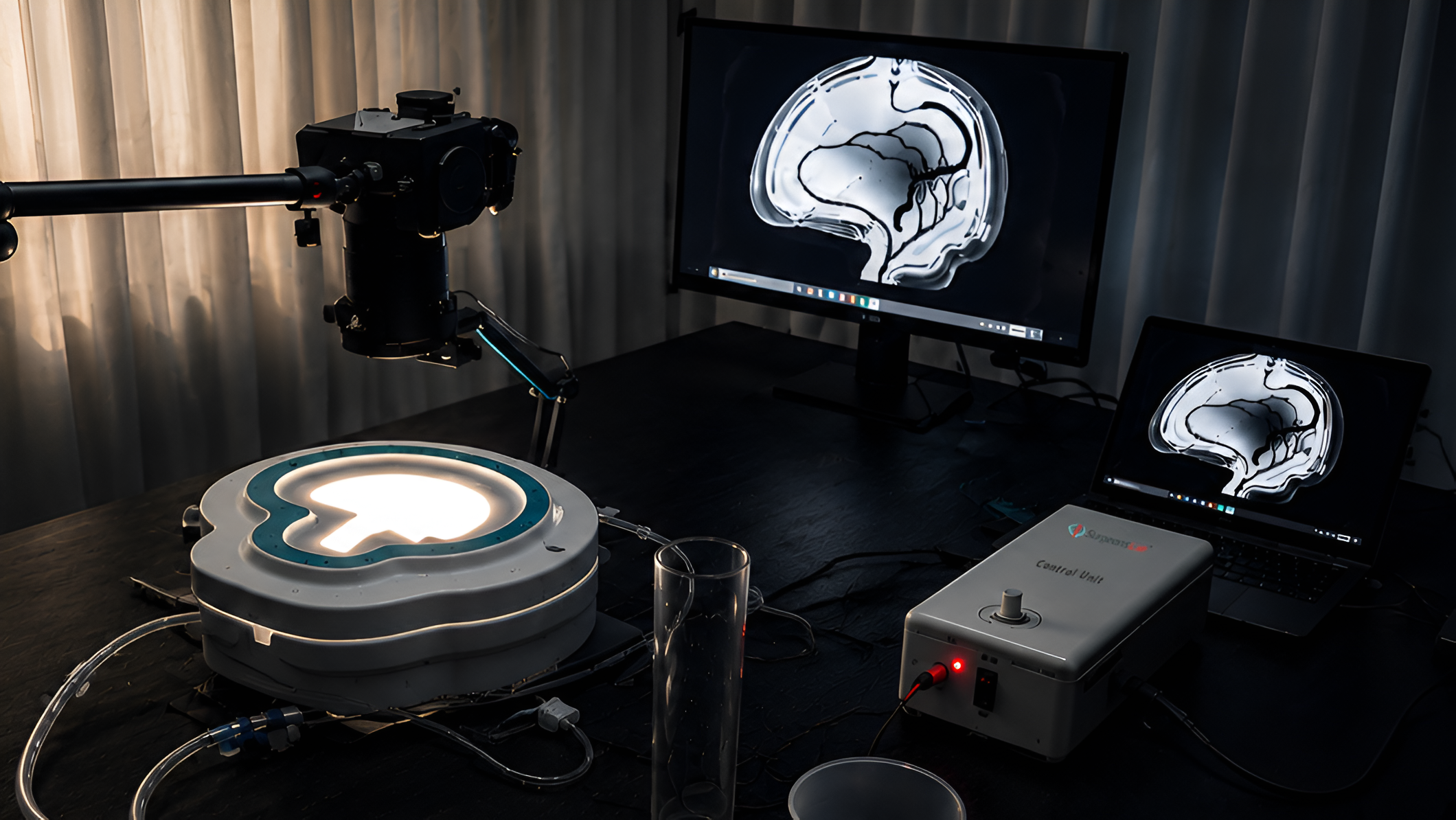
For a hospital that treats children with cancer, tumor models were essential from the start. The configuration includes meningioma and skull-base tumor models alongside aneurysm models across the main locations surgeons meet in practice: the middle cerebral, internal carotid, anterior communicating and posterior communicating arteries, plus the posterior circulation.
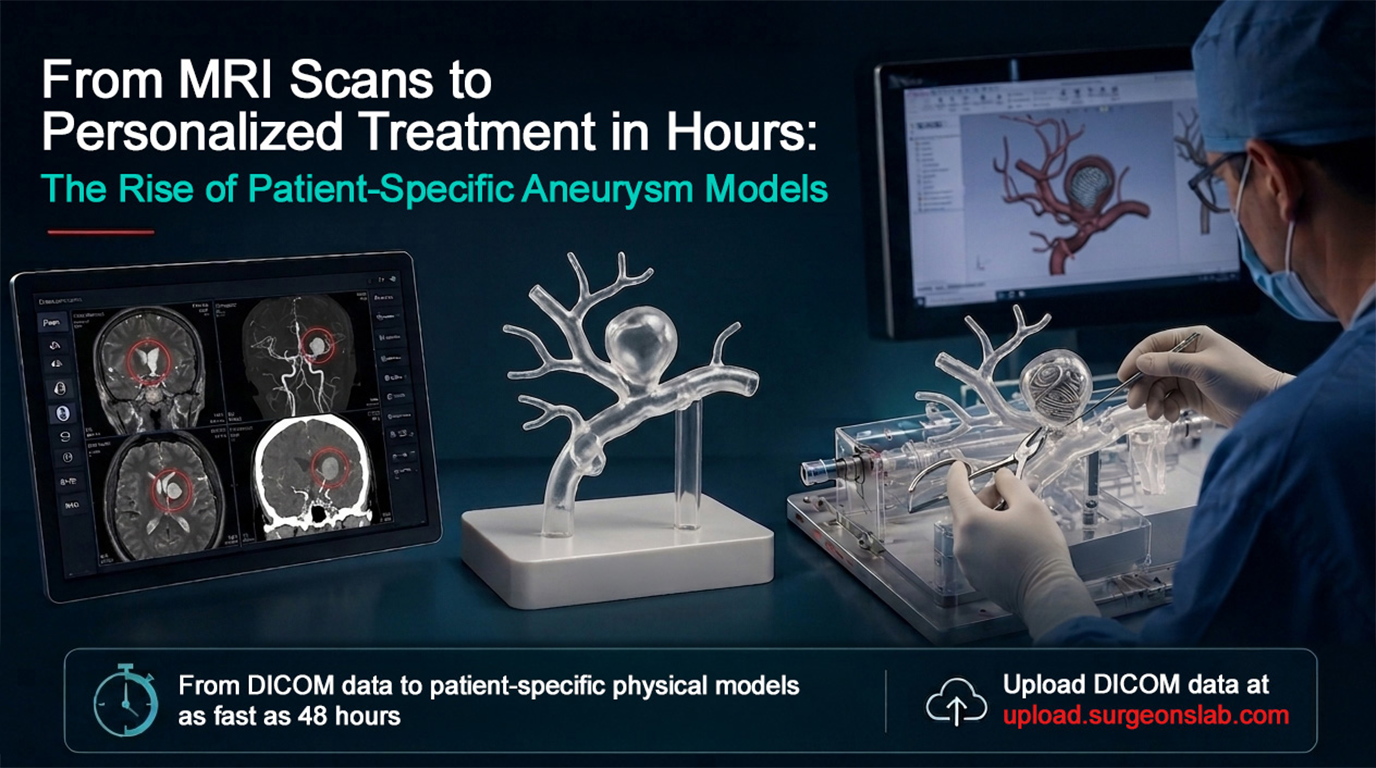
Every model is patient-specific: it reproduces a real case treated in the past, drawn from SurgeonsLab's repository of de-identified patient imaging. Faculty teach on anatomy as physicians actually meet it, not on an idealized textbook vessel.
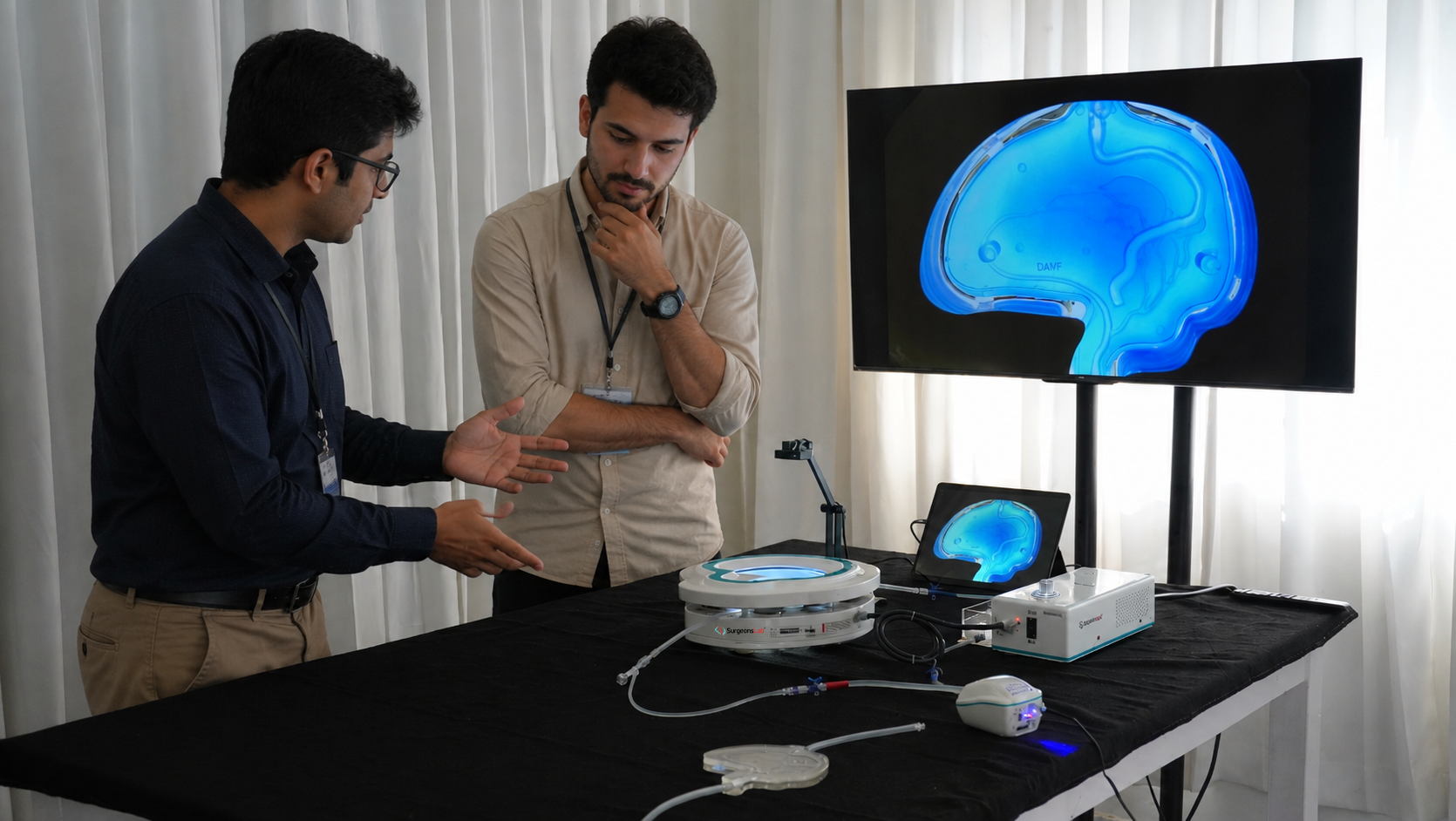
Each model sits inside SurgTrain's surgical workspace, so the trainee works through a narrow corridor, under magnification, with the depth and angles of a real approach. Mentor access lets faculty follow a trainee's sessions over time.
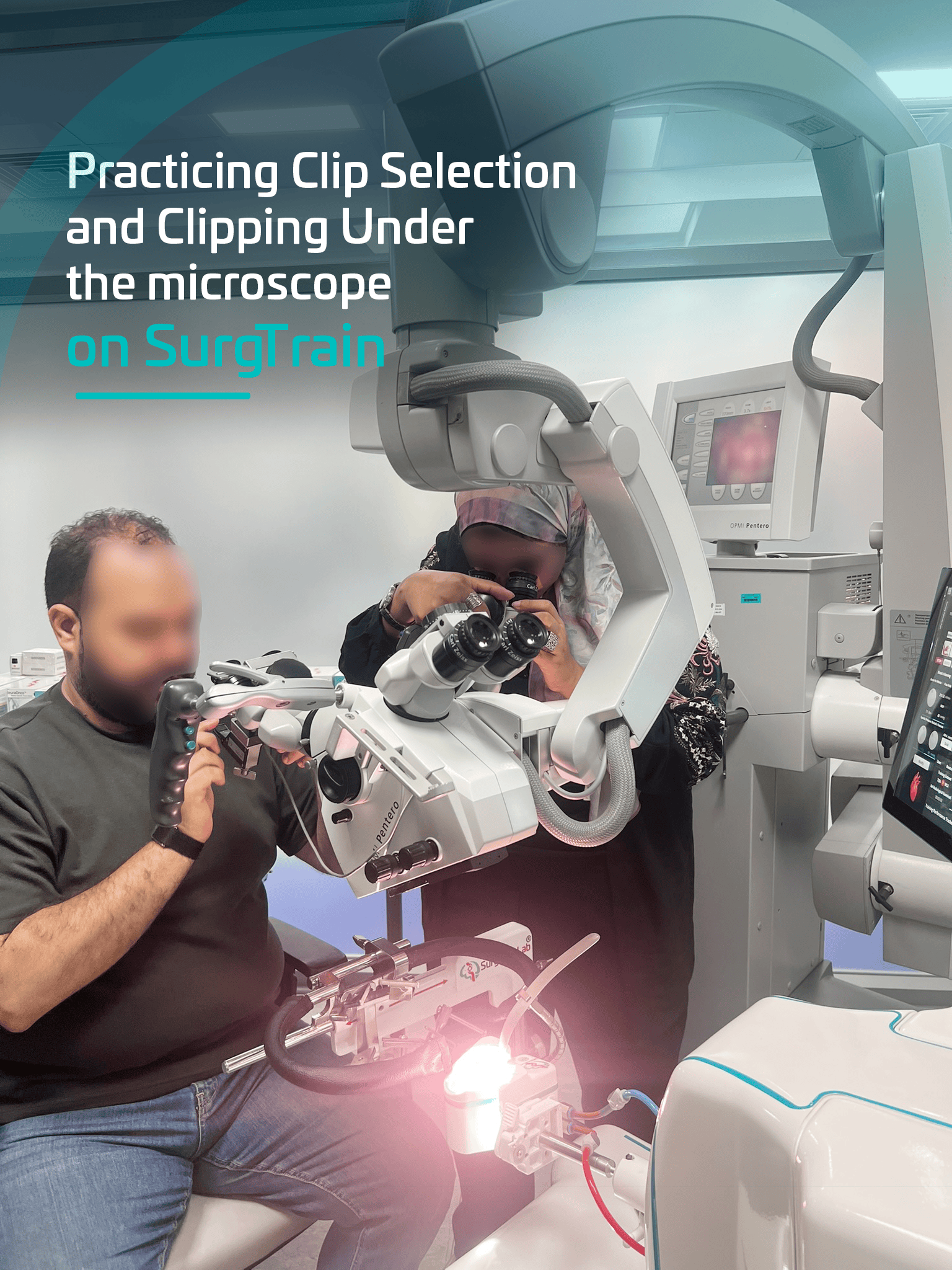
Figure 2. Practicing clip selection and clipping under the microscope on SurgTrain.
Microvascular anastomosis, dry and perfused
The second station is for microvascular suturing, built on our NeuraPass™ concept. Instead of animal tissue or silicone tubes, physicians suture vessels designed to behave like real ones, with diameters from 0.4 mm to 1.5 mm (0.016 in to 0.059 in).
The models come in graded levels of difficulty. They vary the depth of the operating field, the number and diameter of the vessels, and the type of parent (recipient) and donor vessel. One model, for example, reproduces an STA-MCA bypass (superficial temporal artery to middle cerebral artery) through a narrow keyhole, with bone texture around the opening. A trainee can start in a shallow, open field and work down to a deep, tight one that is much closer to a real operation.
Physicians can learn the technique on benchtop models first, then move to perfused models, where flow shows straight away whether the anastomosis holds.
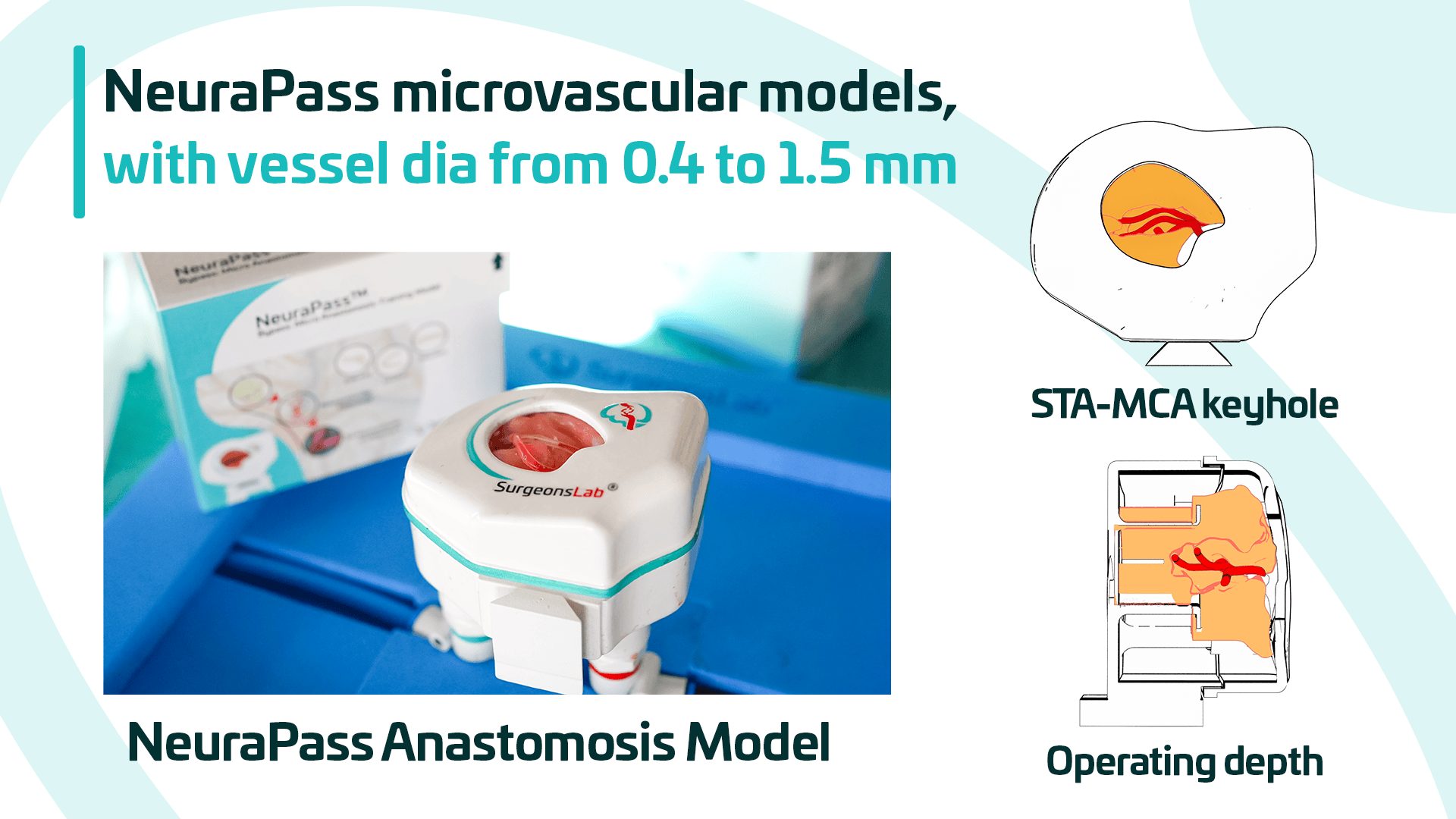
Figure 3. NeuraPass microvascular models, with vessel diameters from 0.4 to 1.5 mm.
The three classic configurations are covered: end-to-end, side-to-side and end-to-side. Practicing them both on an open bench and inside a restricted corridor teaches the same skill under very different conditions.
Physical flow models
The CathTrain flow models let physicians handle real catheters, wires, coils and stents in a vascular pathway they can see and feel. The case set covers aneurysm coiling, stent-assisted treatment and flow diversion. It also includes middle meningeal artery (MMA) models, an arteriovenous malformation (AVM) model and full Circle of Willis anatomy. Like the surgical models, each flow case is patient-specific, reproduced from a past case in SurgeonsLab's de-identified patient repository.
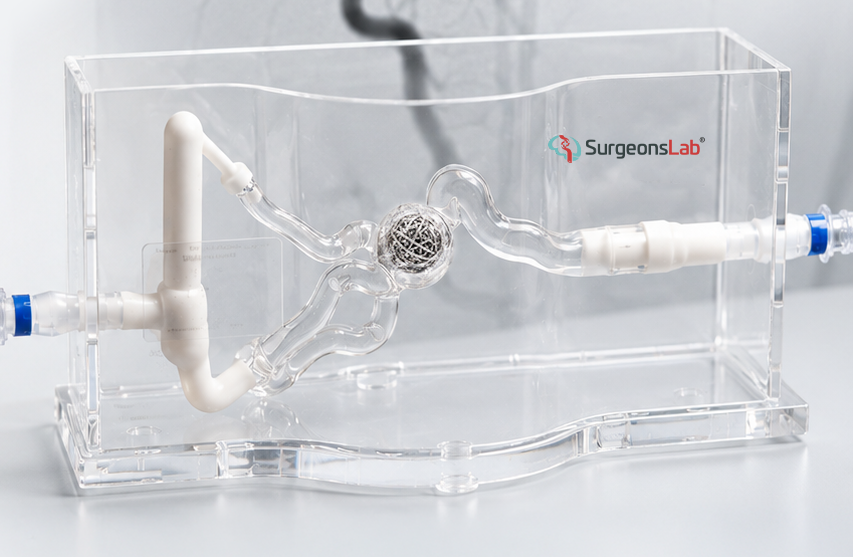
Figure 4. Microcatheter navigation and coiling on a CathTrain patient-specific flow model.
Virtual reality: CathTrain VR
CathTrain VR adds a full angiography-suite workflow: console, biplane foot pedal, C-arm and table controls, and an instructor cockpit. The hospital chose four neurovascular case packs of 10 cases each: cerebral aneurysm (CA), acute ischemic stroke (AIS), intracranial stenosis (ICS) and carotid artery stenosis (CAS). That gives faculty 40 cases to build a curriculum from, from a first aneurysm coiling to stroke thrombectomy and carotid stenting.
Every case ends with a post-procedure report. That turned out to be the feature faculty asked about most, because it gives trainer and trainee something concrete to discuss.
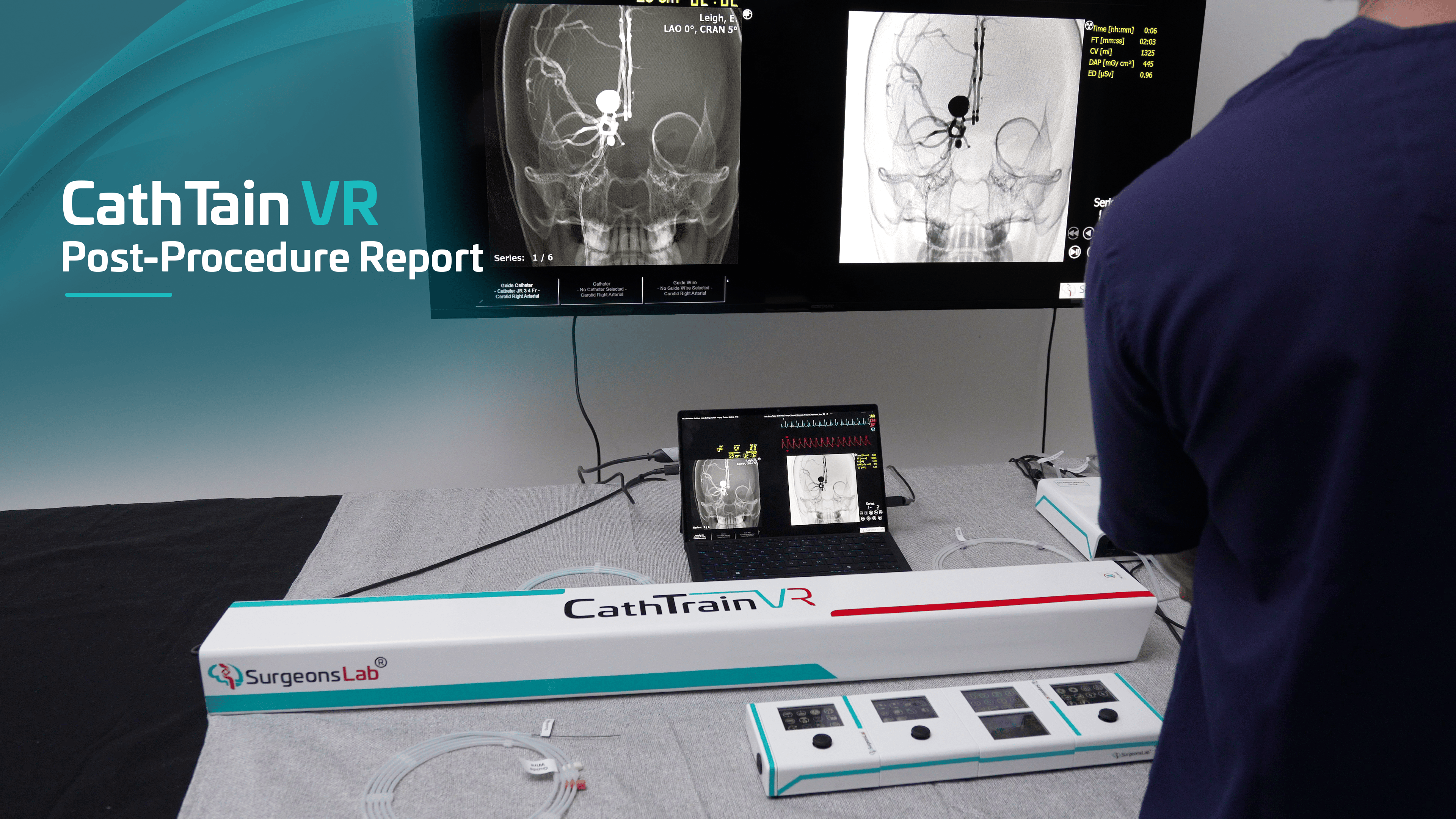
Figure 5. CathTrain VR and its post-procedure report.
Why physical and virtual together
The two do different jobs. Physical models teach the feel of the devices: friction, push, torque and how a coil packs. VR teaches the sequence, the decisions and the variety of cases, and records each run. A course can move a trainee between them in the same afternoon.
How it came together
January and February: procedures before products
After the Bern visit, clinical and hospital leadership joined the conversation within weeks. Their question was not "what can we buy?" but "what do our physicians need to practice?"
So instead of sending a catalog, we sent a structured requirements worksheet. It asked which procedures the lab should support, which anatomy, which skill levels and how sessions would run. The hospital's neurosurgery team completed it in early February, and that worksheet became the blueprint for everything that followed.
In mid-February we walked the team through all three platforms in detail. Together we matched each teaching goal to a station: tumors and clipping on SurgTrain, suturing on the anastomosis models, device handling on the flow models, and full procedures in VR.
March: agreeing the whole job, not just the equipment
By March the discussion had widened from simulators to the complete project: configuration, installation, faculty training, ongoing support and a return visit around the October meeting. The order was confirmed that month.
April: built and tested before it left Bern
Our clinical applications, engineering and logistics teams then prepared the systems. The SurgTrain system was assembled and run before packing. Models were checked for leaks, matched to their holders and packed with the accessories that make a station usable on day one.
These details sound small. On installation day they decide whether a station works. A model has to fit its holder, a perfused setup has to hold pressure, and every trainee account has to log in. By late April the shipment was ready.
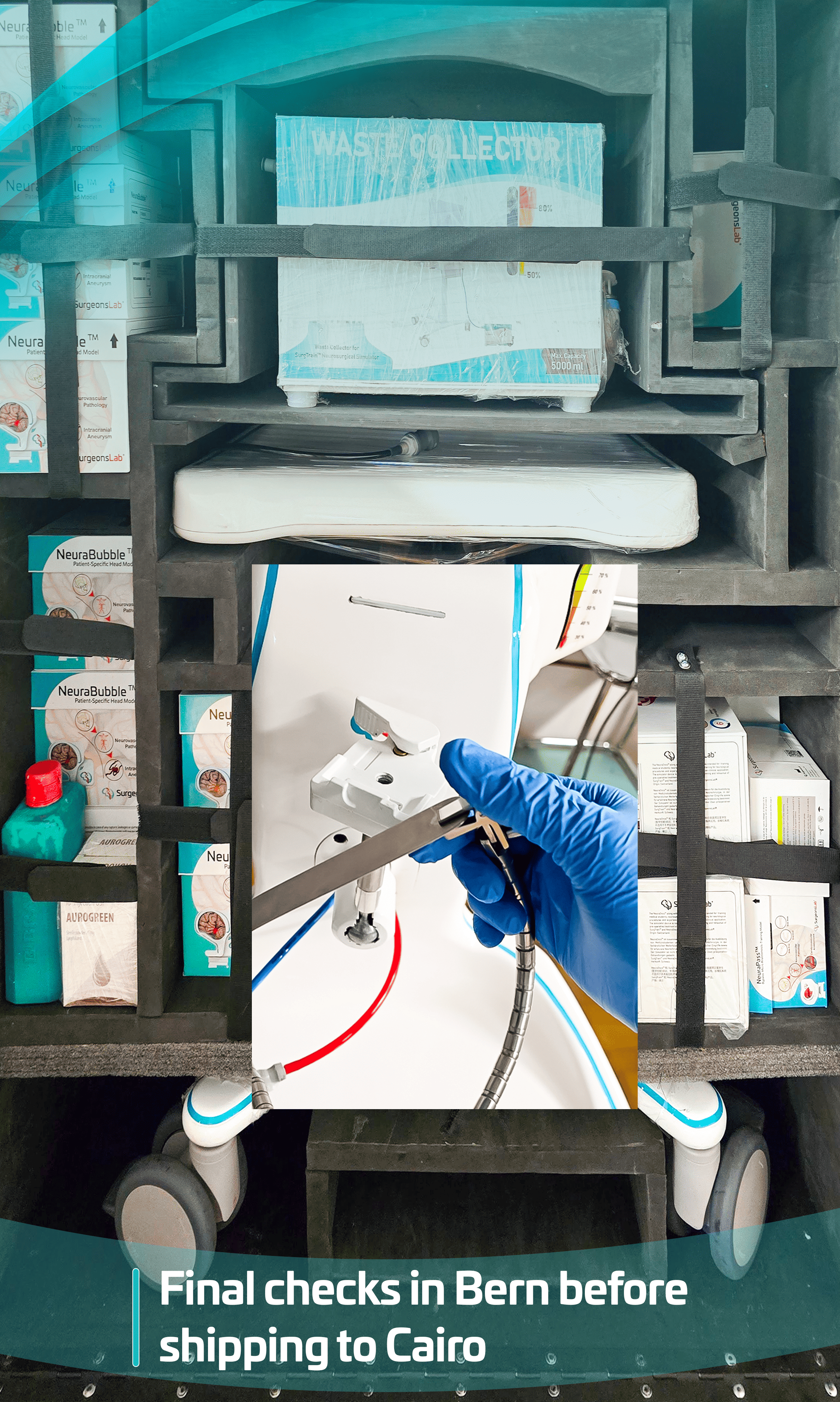
Figure 6. Final checks in Bern before shipping to Cairo.
May to August: the part nobody photographs
Getting a simulation lab from Switzerland into a hospital in Cairo takes as much coordination as building it. Export documents, certificates of origin and customs registration all had to be prepared, reviewed and corrected before clearance.
The hospital made this work by naming owners early. Its education academy coordinated logistics, customs and training dates. Biomedical engineering took on the technical setup and maintenance. IT handled computers, networking and software access. The clinical team kept the training plan on track. On our side, a single project lead coordinated every workstream, so the hospital always knew who to call.
September: installation week
The equipment reached the hospital on 13 September. Our team spent two days installing and configuring the stations, then a full day training the faculty hands-on.
Faculty did not stop at the basics. At the microscope they worked through spatial orientation, depth perception, instrument handling and access, then moved on to clip selection and clipping technique. On the endovascular side they ran a simulated aneurysm case end to end: microcatheter navigation, then coil deployment.
Two things stood out. First, faculty valued being able to repeat a procedure on the same reusable model rather than treating each attempt as a one-off. Second, they asked to learn assembly, disassembly and reset themselves. A lab that runs all year depends on the people who run it, not on the vendor's next visit.
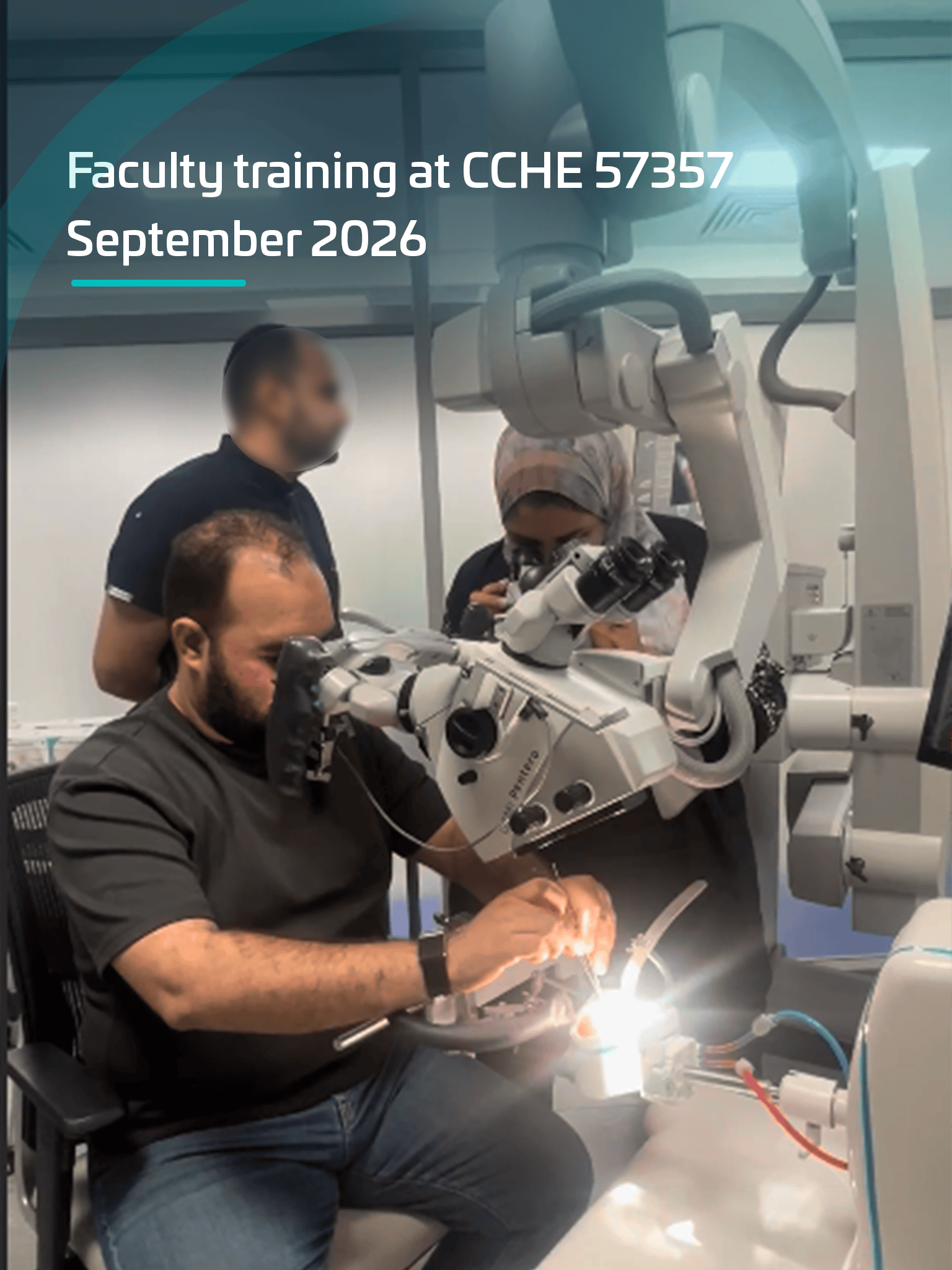
Figure 7. Faculty training at CCHE 57357, September 2026.
By the end of that week, installation and training were complete and the hospital had formally accepted the lab.
October and beyond: a lab in use
In early October our team supported system checks ahead of the hospital's international pediatric neurosurgery ISPN conference program. The long-term goal is the one the team brought to Bern in January: a training resource for physicians in Egypt and the region, open all year.
We thank the faculty and teams at CCHE 57357, across clinical, education, biomedical engineering, IT and logistics, for their welcome and their hands-on help during setup and training.
Planning a simulation lab? Seven lessons from Cairo
Start with procedures and learners, not a product list.
Write down what physicians need to practice, at what level, and how often. The equipment follows from that.
Specify the whole station.
Models, holders, instruments, perfusion, microscope setup, computers and software accounts. A missing holder stops a session as surely as a missing simulator.
Give each station a job.
Surgical bench, microsurgery, physical flow and VR each teach something different. Plan which skill is taught where.
Name owners inside the hospital early.
Clinical lead, education, biomedical engineering, IT and logistics each own part of making the lab work.
Allow time for paperwork.
Export documents and customs can take longer than building and testing. Start them alongside preparation, not after it.
Train the people who run the lab, not only those who use it.
Assembly, reset and checks between sessions are what keep a lab open all year.
Plan the first program before the equipment arrives.
Cairo set its October date on day one, and the whole timeline worked back from it.
بدأت القصة في يناير 2026 بزيارة فريق جراحة المخ والأعصاب في مستشفى سرطان الأطفال مصر 57357 إلى SurgeonsLab في برن، سويسرا، برؤية واضحة: إنشاء مركز محاكاة في القاهرة يتدرب فيه الأطباء على مدار العام، ويستقبل أطباء من مستشفيات أخرى في مصر والمنطقة العربية.
يجمع المعمل بين منصة SurgTrain لمحاكاة جراحة أورام المخ وتركيب المشابك الجراحية على تمدد الأوعية الدموية الدماغية تحت المجهر، ونماذج للتدريب على المفاغرة الوعائية الدقيقة، ونماذج CathTrain الوعائية التي يتدفق فيها سائل للتدريب على القسطرة ووضع اللفائف والدعامات، إلى جانب منصة CathTrain VR لمحاكاة إجراءات القسطرة العصبية بالواقع الافتراضي.
وجميع النماذج مصممة خصيصاً من حالات مرضى حقيقية عولجت سابقاً، من مستودع SurgeonsLab لصور المرضى بعد إزالة البيانات التعريفية، ليتدرب الأطباء على تشريح مطابق لما يواجهونه في الممارسة الفعلية.
اكتمل التركيب والتدريب العملي لأعضاء هيئة التدريس في سبتمبر 2026. وللمستشفيات ومراكز التدريب التي تخطط لمعمل مماثل، تبدأ الخطوة الأولى بتحديد الإجراءات والمتدربين المستهدفين، ثم اختيار النماذج والأجهزة، وتخطيط التركيب والتدريب والدعم الفني بالتعاون مع الفرق السريرية والتعليمية والهندسية.
هل يمكن لمعمل واحد أن يغطي جراحة الأورام وتمدد الأوعية والقسطرة؟
نعم. يمكن تجهيز معمل واحد بمحطات مختلفة لكل هدف تدريبي، كما في مستشفى 57357: محطة للجراحة العصبية، ومحطة للمفاغرة الدقيقة، ونماذج تدفق للقسطرة، ومحاكاة بالواقع الافتراضي.
للتواصل بشأن تخطيط معمل محاكاة في مؤسستكم: تواصلوا مع SurgeonsLab
Frequently Asked Questions
What did SurgeonsLab install at Children's Cancer Hospital Egypt 57357?
A four-station simulation lab: SurgTrain for brain tumor surgery and aneurysm clipping, microvascular anastomosis models (benchtop and perfused), CathTrain physical flow models for endovascular practice, and CathTrain VR with 40 neurovascular cases across cerebral aneurysm, acute ischemic stroke, intracranial stenosis and carotid artery stenosis. Installation and faculty training were completed in Cairo in September 2026.
Can one lab cover brain tumor surgery, aneurysm clipping and microvascular anastomosis?
Yes, if each skill has its own station and models. In Cairo, tumor and aneurysm models run on SurgTrain, suturing runs on dedicated anastomosis models, and endovascular work runs on flow models and VR.
Why combine physical flow models with VR?
They teach different things. Physical models give the real feel of catheters, wires and coils. VR gives full procedures, more case variety and a report after every run. Most programs use both.
Are the models patient-specific?
Yes. The tumor, aneurysm and vascular models are built from real cases treated in the past, drawn from SurgeonsLab's repository of de-identified patient imaging. Trainees practice on anatomy as it appears in real patients, not on idealized shapes.
How long does it take to set up a hospital simulation lab?
In Cairo it took about eight months from the first conversation in January to installation and training in September. Planning and agreement took about three months, and preparation and testing about one. International shipping and customs took the longest.
Who in the hospital should be involved?
A clinical lead to define what is taught, an education team to schedule and run sessions, biomedical engineering for setup and maintenance, IT for computers and software access, and someone to own logistics and customs. Naming them early saves weeks.
Are the models reusable?
Yes. SurgeonsLab models are designed for repeated sessions, and the Cairo faculty valued being able to repeat a procedure on the same model. How many sessions a model lasts depends on the model and the exercise. See our guide to reusing and resetting simulation models.
Can a hospital in Egypt or the Arabic-speaking region plan a similar lab with SurgeonsLab?
Yes. We start remotely with a requirements worksheet, then configure, test and ship the lab, install it on site and train the faculty who will run it.
Planning a simulation lab for neurosurgery or neurointervention?
Talk to SurgeonsLab about your procedures, learners and timeline.
Contact SurgeonsLabMore: SurgTrain · CathTrain · Children's Cancer Hospital Egypt 57357