You've had headaches before. This one is different, and you know it, the instant it hits.
Doctors call it a "thunderclap headache" for a reason: it doesn't build. It arrives with full intensity, worse than anything you've felt, peaking within a minute or two, sometimes described as being hit in the back of the head with a bat. It's one of the few headaches in medicine that isn't just a symptom. It's a medical warning.
In roughly 1 in 20 people who show up to an ER with a headache this severe, the cause is a subarachnoid hemorrhage — bleeding around the brain, most often from a burst aneurysm, a weak spot in a blood vessel wall that finally gave way. The rest of the time it's something less dangerous. But you cannot tell the difference by how it feels. Neither can the person standing next to you. That's what makes it frightening, and it's exactly why medical guidance around it exists.
Who's Actually at Risk
Aneurysms become more common after age 40. Smoking and high blood pressure are the two biggest modifiable risk factors — they weaken vessel walls over years. A family history of aneurysm, or a ruptured aneurysm in a first-degree relative, roughly doubles your own risk. Certain conditions, like polycystic kidney disease and some connective tissue disorders, raise it further. Women are somewhat more likely than men to have one rupture. None of this means it will happen to you. It means that it's worth knowing.
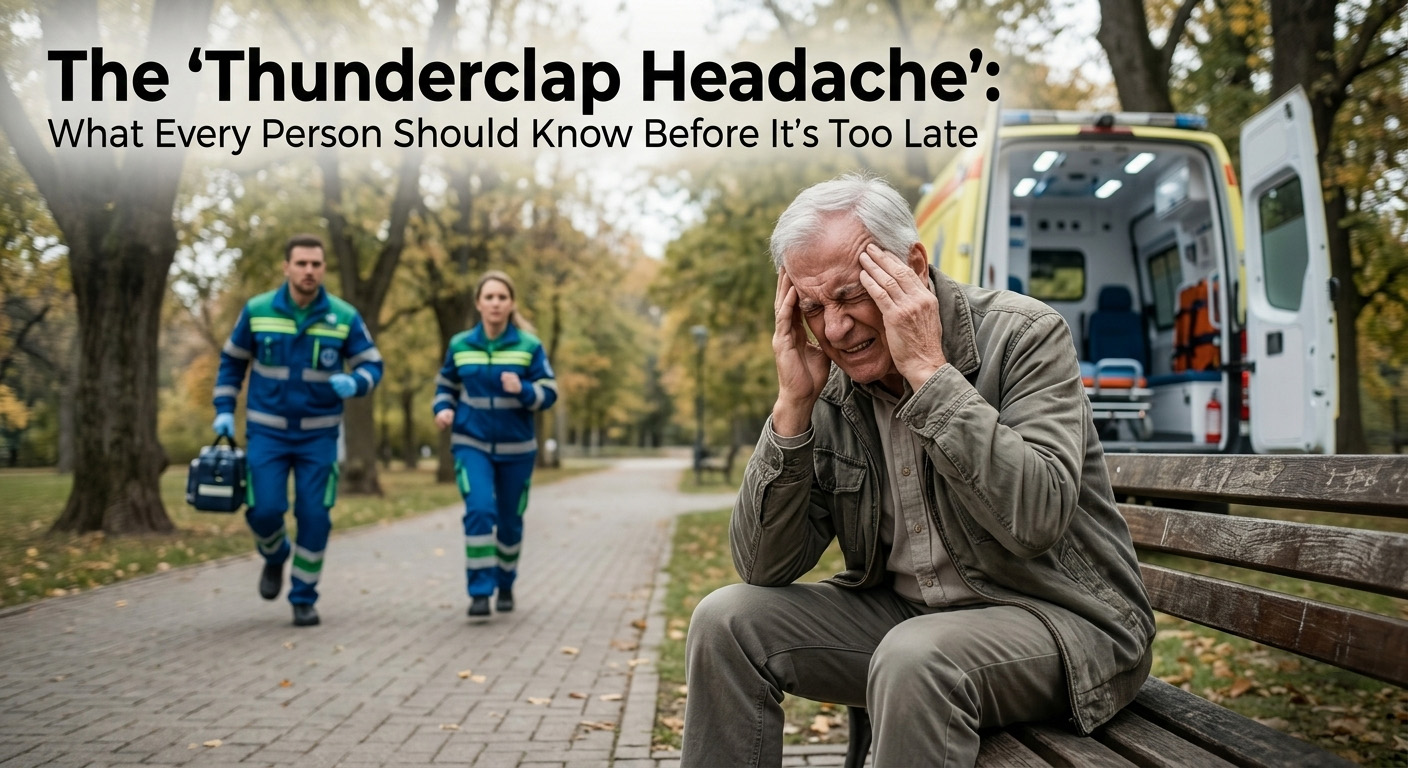
Figure 1. Age, smoking, hypertension, and family history are among the strongest known risk factors for aneurysm rupture.
When to Scan, and Why the Clock Matters
Emergency medicine has gotten sharper about this. A non-contrast CT scan of the head, done within six hours of the headache starting and read by a radiologist, is now considered highly reliable for ruling a bleed in or out — reliable enough that current guidelines say a clear scan in that window usually means you don't need a spinal tap afterward. Outside that six-hour window, or if the scan is unclear, a lumbar puncture or CT angiogram may still follow.
"Any thunderclap headache is a 'Go To The ER Now' headache, not a 'Wait and See' one. Six hours is a target for doctors, not a grace period for you."
The First 24 Hours, If It Is a Rupture
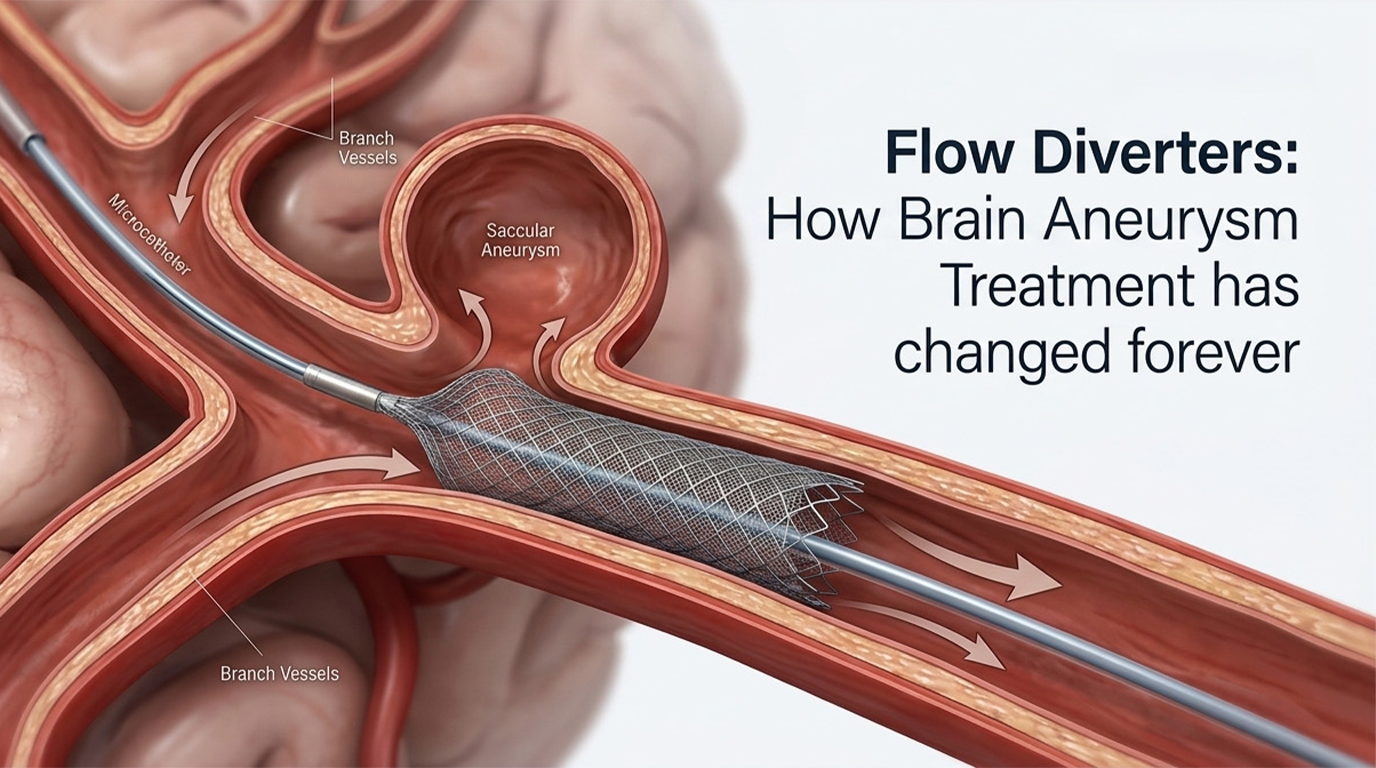
This window is the most dangerous part of the entire event. The risk of the same vessel re-bleeding — often more catastrophic than the first bleed — is highest in the hours right after rupture, which is why hospitals move fast: confirm the aneurysm's exact location and shape with CT angiography, then secure it, usually within a day, either surgically (clipping) or through a catheter-based procedure (coiling). Patients are watched closely in intensive care for complications like vessel spasm, which can develop over the following days.
The takeaway isn't to live in fear of your next headache. It's this:
"If a headache ever hits like nothing you've felt before, don't wait to see if it passes. Get to an emergency room."
That decision, made in the first hour, is the one that saves lives.
This article is for general information and does not replace medical advice. If you or someone near you experiences a sudden, severe headache unlike any before, seek emergency care immediately.
References
SurgeonsLab's educational articles are based on evidence-backed information and reviewed against published clinical and regulatory sources to help ensure accuracy and up-to-date reliability.
View Sources
- Perry, Jeffrey J et al. “Prospective Implementation of the Ottawa Subarachnoid Hemorrhage Rule and 6-Hour Computed Tomography Rule.” Stroke vol. 51,2 (2020): 424-430. doi:10.1161/STROKEAHA.119.026969. pubmed.ncbi.nlm.nih.gov/31805846
- Thompson, Daniel et al. “Multicentre study of the role of lumbar puncture in the diagnosis of spontaneous subarachnoid haemorrhage.” Acta Neurochirurgica vol. 167,1 193. 17 Jul. 2025, doi:10.1007/s00701-025-06602-8. pmc.ncbi.nlm.nih.gov/articles/PMC12270960
- Foley, Robert W et al. “Subarachnoid haemorrhage rules in the decision for acute CT of the head: external validation in a UK cohort.” Clinical Medicine (London, England) vol. 21,2 (2021): 96-100. doi:10.7861/clinmed.2020-0437. pubmed.ncbi.nlm.nih.gov/33762366
- Perry, Jeffrey J., et al. “Prospective Implementation of the Ottawa Subarachnoid Hemorrhage Rule and 6-Hour Computed Tomography Rule.” Stroke, vol. 51, no. 2, 2020, pp. 424–430, doi.org/10.1161/STROKEAHA.119.026969. doi.org/10.1161/STROKEAHA.119.026969
Training the Team That Responds in That First Hour
When a ruptured aneurysm needs to be secured within hours, the clipping or coiling team's speed and precision matter. SurgeonsLab builds reusable and patient-specific neurovascular simulation models that let surgical and endovascular teams rehearse that exact response before it's needed in real time.
Request a demonstration Contact SurgeonsLabFrequently Asked Questions
What makes a thunderclap headache different from a regular headache?
A thunderclap headache arrives at full intensity almost immediately, peaking within a minute or two, rather than building gradually. It is often described as the worst headache of a person's life.
How often is a thunderclap headache caused by a ruptured aneurysm?
Roughly 1 in 20 people who arrive at an ER with a headache this severe have a subarachnoid hemorrhage, most often from a burst aneurysm. The rest of the time the cause is something less dangerous, but the symptom alone cannot tell you which.
Who is most at risk for an aneurysm rupture?
Risk rises after age 40. Smoking and high blood pressure are the two biggest modifiable risk factors. A first-degree relative with an aneurysm or rupture roughly doubles personal risk, and conditions like polycystic kidney disease or certain connective tissue disorders raise it further. Women are somewhat more likely than men to experience a rupture.
Why does a CT scan need to happen within six hours?
A non-contrast head CT read by a radiologist within six hours of headache onset is considered highly reliable for ruling a bleed in or out — reliable enough that current guidelines say a clear scan in that window usually means a spinal tap isn't needed. Outside that window, or if the scan is unclear, further testing such as a lumbar puncture or CT angiogram may still be needed.
Why is the first 24 hours after a rupture so critical?
The risk of the same vessel re-bleeding, often more catastrophic than the first bleed, is highest in the hours right after rupture. This is why hospitals move quickly to confirm the aneurysm on CT angiography and secure it — through clipping or coiling — usually within a day, while watching closely for complications like vessel spasm in the days that follow.
What should I do if I or someone near me has a sudden, severe headache?
Seek emergency care immediately. Do not wait to see if it passes. A thunderclap headache is always treated as a "go to the ER now" symptom, not a "wait and see" one.